
What's Happening?
The U.S. power grid is increasingly treating extreme heat as a standard operating condition rather than a rare event. This shift is driven by rising temperatures, drought, and growing electricity demand.
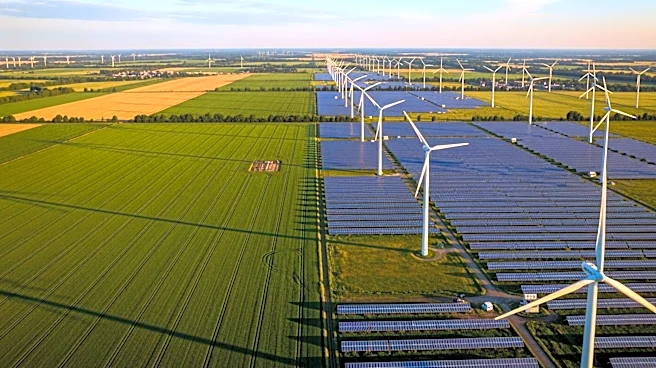
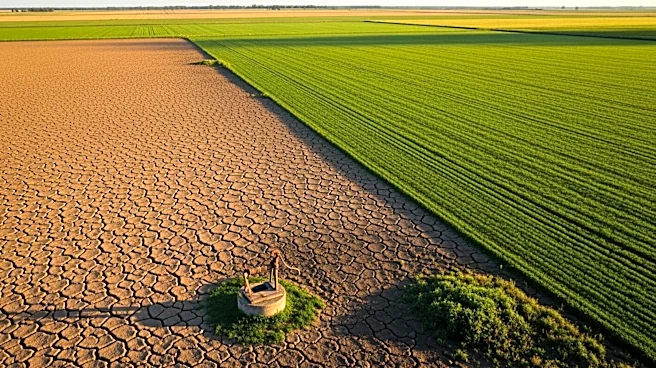
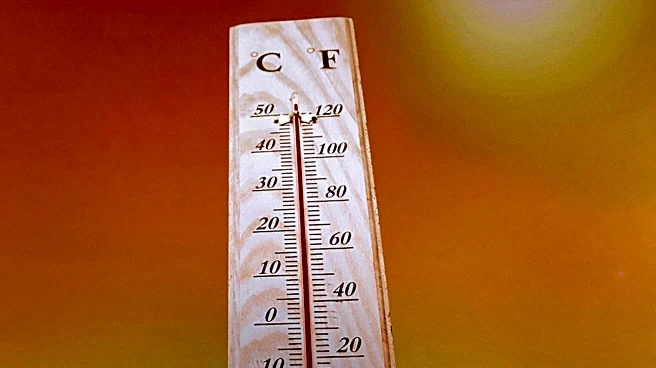
The U.S. Energy Information Administration projects a 4% increase in cooling degree days in 2026 compared to 2025, indicating higher air-conditioning demand. The North American Electric Reliability Corporation (NERC) has identified early-summer heat overlapping with spring maintenance outages as a significant reliability risk. Utilities are adapting by rating transmission lines based on ambient temperature and preparing for later evening peaks when solar output diminishes. Drought conditions, affecting 62% of the continental U.S., threaten hydropower generation, particularly in the Colorado River basin, potentially impacting up to 4,500 MW of power by August 2026.
Why It's Important?
The adaptation of the power grid to extreme heat is crucial for maintaining reliability and preventing outages. As temperatures rise, the grid faces increased stress from higher demand and potential equipment failures. The shift to treating extreme heat as a baseline condition reflects the need for more resilient infrastructure. This adaptation is vital for economic stability, as power outages can disrupt industries and affect millions of consumers. The focus on ambient-adjusted ratings and other adaptive measures highlights the grid's need to evolve in response to climate change. The potential impact on hydropower due to drought conditions underscores the importance of diversifying energy sources and enhancing grid flexibility.
What's Next?
Utilities and grid operators will continue to implement adaptive measures to manage extreme heat. This includes further integration of ambient-adjusted ratings and dynamic line ratings to optimize transmission capacity. The Federal Energy Regulatory Commission (FERC) and NERC will likely continue to monitor and assess the grid's resilience, potentially leading to new regulations or guidelines. The ongoing drought and its impact on hydropower may prompt increased investment in alternative energy sources and infrastructure improvements. Stakeholders, including government agencies and energy companies, will need to collaborate to address these challenges and ensure a reliable power supply.
Beyond the Headlines
The adaptation of the power grid to extreme heat has broader implications for energy policy and climate resilience. It highlights the need for long-term planning and investment in infrastructure to withstand climate-related stresses. The focus on ambient-adjusted ratings and other technological advancements reflects a shift towards more data-driven and responsive grid management. This evolution may influence future energy policies and regulatory frameworks, emphasizing the importance of sustainability and resilience. Additionally, the challenges posed by drought and extreme heat may drive innovation in energy storage and distribution technologies, contributing to a more robust and adaptable energy system.