
What's Happening?
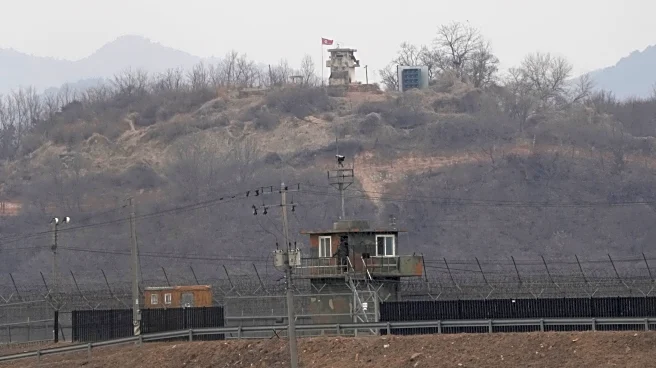
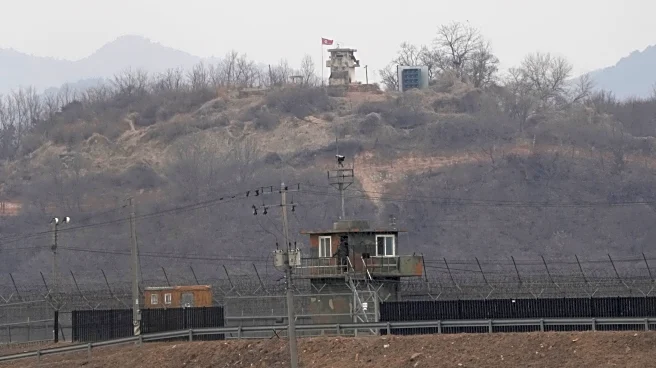
The United States and South Korea are set to conduct their annual joint military exercises, known as Freedom Shield 26, from March 9 to March 19. These exercises are described as defensive in nature and aim to enhance interoperability and combat readiness
between the two nations. North Korean leader Kim Jong Un has responded with increased military posturing, including a visit to a destroyer and a missile test, as he continues to emphasize North Korea's offensive capabilities. The drills have been a point of contention, with North Korea viewing them as a rehearsal for invasion.
Why It's Important?
The joint military exercises underscore the ongoing security alliance between the U.S. and South Korea, which is crucial for maintaining stability in the region. North Korea's reaction to these drills highlights the persistent tensions on the Korean Peninsula and the challenges in achieving diplomatic progress. The exercises serve as a reminder of the complex security dynamics in East Asia, where military readiness and deterrence play critical roles in preventing conflict.
What's Next?
As the exercises proceed, there may be further military demonstrations from North Korea, potentially including missile tests or other displays of force. The international community will be closely monitoring these developments, as they could impact diplomatic efforts and regional security. South Korea's attempts to improve relations with North Korea may face setbacks if tensions escalate. The outcome of these exercises could influence future military and diplomatic strategies in the region.
Beyond the Headlines
The military drills reflect broader geopolitical tensions involving not only the Korean Peninsula but also the strategic interests of major powers like the U.S. and China. The exercises highlight the importance of military alliances and the role they play in regional security. The situation also raises questions about the effectiveness of military deterrence and the potential for diplomatic solutions to longstanding conflicts.