






What's Happening?
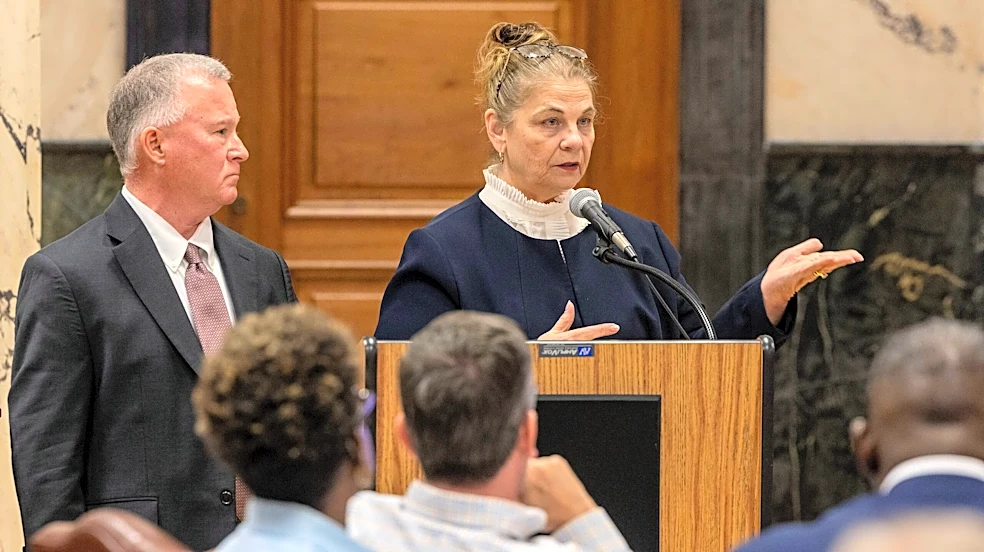
Local leaders in Jackson, Mississippi, are currently reviewing JXN Water's proposed transition plan for the city's water and sewer systems. Interim Third-Party Manager Ted Henifin has suggested that Jackson is not yet prepared to independently manage
these systems. Ward 1 Councilman Ashby Foote echoed this sentiment, stating the city has too many existing responsibilities to effectively take on the water and sewer management at this time. Henifin's plan, released on Thursday night, proposes transforming JXN Water from a non-profit corporation into a public water authority that would operate independently of the city. This proposal comes more than four years after Henifin was appointed receiver over Jackson's water system under a 2022 federal court order, and subsequently over the sewer system the following year. His mandate included developing a future governance plan for these systems once the receivership concludes. While some council members agree with the assessment that the city isn't ready to take over, opinions are mixed regarding the creation of an independent authority.
Why It's Important?
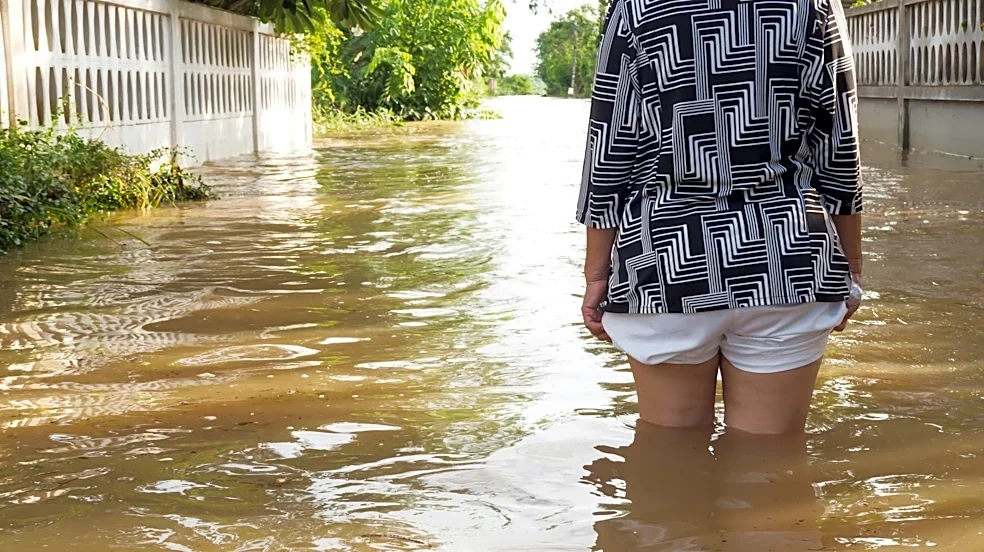
The debate over JXN Water's transition plan is critical for the future of Jackson, Mississippi's essential water and sewer infrastructure. The city has faced long-standing issues with its water system, exacerbated by events such as the 2022 flood, which led to a federal court order and the appointment of a third-party manager. The proposed independent public water authority aims to provide a stable and professional management structure, potentially improving service reliability and addressing historical challenges. However, the plan also raises questions about local control and accountability. Mayor John Horhn has previously emphasized that Jackson owns these water assets and carries the associated debt, asserting the city's right to have a significant voice in the system's future. The outcome of this transition will directly impact the daily lives of Jackson residents, affecting water quality, service costs, and the city's overall financial and administrative burden. The decision will also set a precedent for how federally mandated interventions in municipal services are resolved.
What's Next?
Local leaders are expected to continue reviewing and discussing JXN Water's proposed transition plan. Council members, including Ward 6 Councilwoman LaShia Brown-Thomas and Council Vice-President Kevin Parkinson, have expressed a desire for more detailed information regarding the implementation of the independent authority, particularly concerning the selection process for its board of directors. Under Henifin's proposal, the initial board would be appointed by U.S. District Judge Henry Wingate, with subsequent boards elected by JXN Water ratepayers. This aspect of the plan will likely be a key point of discussion, as council members like Ward 2 Councilwoman Tina Clay see potential in giving power back to the people through elected board members. The Mayor's Office has yet to officially respond to the plan, but Mayor Horhn's previous statements indicate a strong desire for city leaders to maintain a majority of appointments on any water authority board. Further public engagement and detailed clarifications from Interim Third-Party Manager Ted Henifin are anticipated as stakeholders work towards a consensus on the future governance of Jackson's water and sewer systems.
Beyond the Headlines
The discussion surrounding JXN Water's transition plan extends beyond immediate operational concerns, touching upon fundamental questions of local governance, community empowerment, and the role of federal oversight in municipal affairs. The proposal for an independent public water authority, with its board initially appointed by a federal judge and later elected by ratepayers, represents a significant shift in control away from the city's elected officials. This raises ethical and legal considerations about the balance of power between federal mandates, local autonomy, and direct citizen participation in critical infrastructure management. The long-term implications could include a redefinition of how public services are managed in cities facing systemic challenges, potentially leading to models where essential utilities operate with greater independence from traditional municipal structures. This situation also highlights the ongoing struggle for cities like Jackson to overcome historical infrastructure deficiencies and financial constraints, prompting a broader conversation about equitable resource distribution and sustainable urban development in the U.S.