



What's Happening?
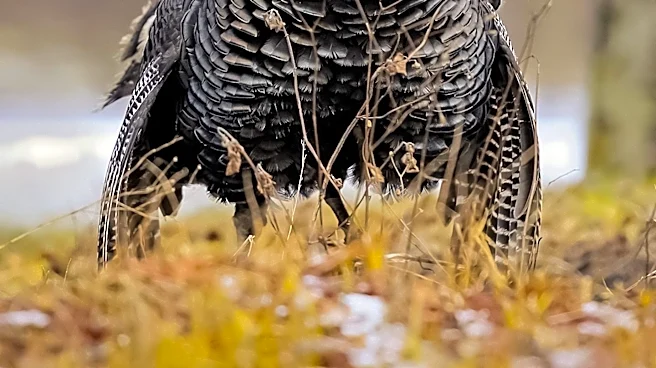
Residents of Cambria, a coastal town in California, have experienced a series of power outages since mid-July, with wild turkeys identified as the primary cause. Pacific Gas and Electric (PG&E) confirmed that six outages in the area were attributed to these
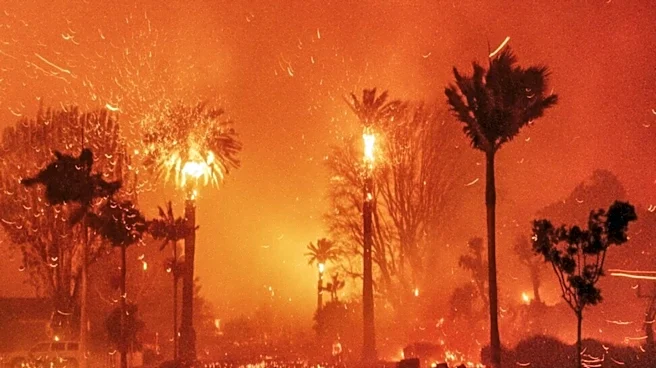
birds. According to PG&E regional communications representative Stephanie Magallon, the large birds perch on power lines, and when they take off, their weight causes the lines to swing and make contact with each other. This contact triggers PG&E's enhanced powerline safety settings (EPSS), which automatically shut off power within one-tenth of a second to prevent potential ignitions, especially in areas prone to wildfires. The outages typically occur during daylight hours and last approximately an hour, sometimes happening multiple times a day or on consecutive days, disrupting daily life for residents and local businesses.
Why It's Important?
These recurring power outages, though seemingly minor in duration, highlight a unique vulnerability in power infrastructure, particularly in regions with specific wildlife populations. The reliance on EPSS for safety, while crucial for wildfire prevention, also means that unusual events like birds causing lines to touch can lead to frequent, albeit short, disruptions. For residents, these outages impact essential services, including the operation of medical equipment and daily routines. Businesses face interruptions in food preparation and customer service. This situation underscores the challenge utilities face in balancing safety protocols, especially in high-wildfire-risk areas, with the need for consistent power delivery. It also points to the broader issue of how environmental factors and wildlife interact with human infrastructure, necessitating innovative solutions beyond standard maintenance.
What's Next?
PG&E crews are actively investigating and implementing solutions to prevent future turkey-induced outages. They have recently modified power lines in affected areas by increasing the space between them, aiming to reduce the likelihood of wires touching when a turkey lands or takes off. This proactive measure seeks to mitigate the specific hazard posed by the birds' behavior. The utility will likely continue to monitor the effectiveness of these modifications and explore other strategies to enhance grid resilience against wildlife interference. Residents can expect ongoing efforts from PG&E to address this unconventional reliability problem, potentially leading to further adjustments in infrastructure design or wildlife management strategies in the affected areas.
Beyond the Headlines
The situation in Cambria reveals a less obvious implication of living in close proximity to nature, where even seemingly innocuous wildlife can pose significant challenges to modern infrastructure. It highlights the intricate balance between preserving natural habitats and ensuring reliable public services. The use of enhanced powerline safety settings, while a critical advancement for wildfire prevention, inadvertently creates a new type of vulnerability to animal interactions. This scenario could prompt broader discussions within utility companies about designing infrastructure that is not only resilient to natural disasters but also adaptable to local ecological factors. It also subtly emphasizes the need for communities to understand and adapt to localized environmental challenges that can impact their daily lives, fostering a greater appreciation for the complex interplay between human development and the natural world.