




What's Happening?
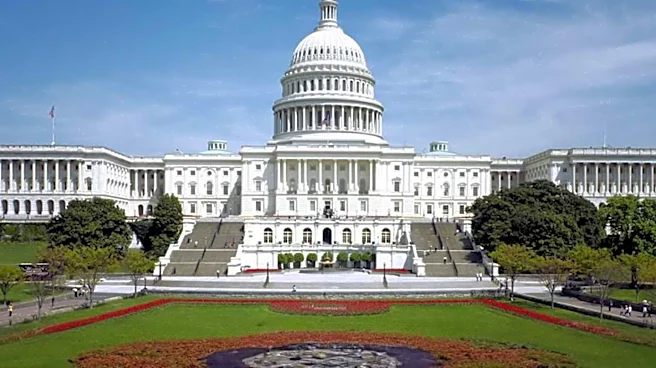
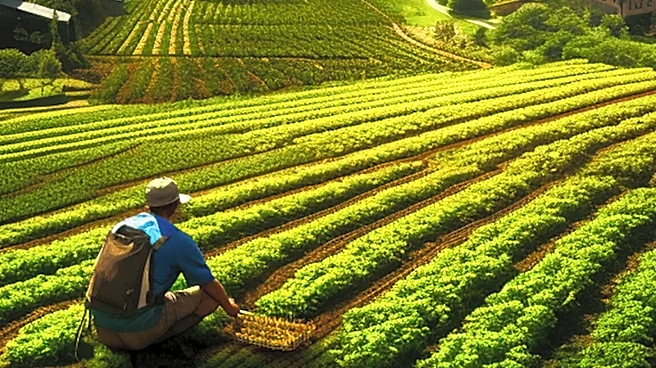
Senator Mike Rounds has introduced the bipartisan RANCH Act, a legislative proposal aimed at providing agricultural producers with an option to convert marginal cropland back into perennial grass. This initiative would allow landowners to continue using
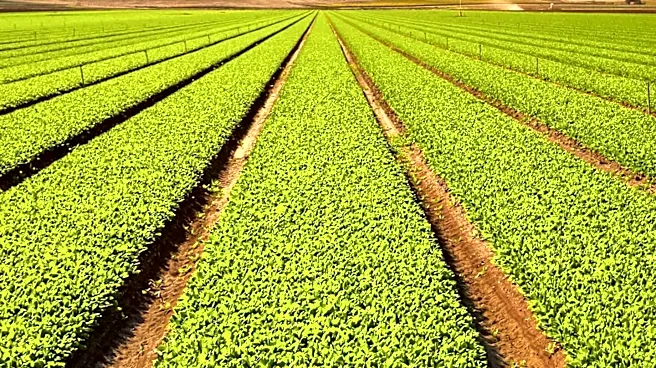
these restored lands for livestock production, distinguishing it from traditional land idling programs. The RANCH Act proposes 10- to 15-year contracts for producers, offering annual payments linked to county cropland rental rates and assistance for establishing grass. Priority for enrollment would be given to highly erodible and poorly performing cropland. The program has the potential to cover up to 20 million acres nationally. This proposal comes at a time when many South Dakota landowners are opting for Conservation Reserve Program (CRP) enrollment, with nearly 290,000 acres offered this year, indicating a growing interest in converting cropland to grass. The Senate Agriculture Committee is currently debating the farm bill, which includes other conservation provisions proposed by Senator John Thune, such as restoring cost-share assistance for mid-contract management in CRP and improving grazing flexibility.
Why It's Important?
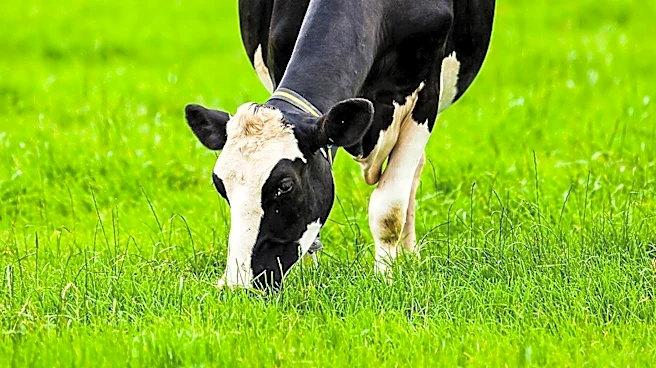
The RANCH Act is significant because it offers a new approach to land use that balances agricultural productivity with conservation goals. By allowing producers to graze cattle on restored grasslands, the proposal challenges the traditional separation between agriculture and conservation efforts. This could provide an economically viable alternative for farmers with marginal lands that yield below-average crops, reducing erosion, improving water infiltration, and providing habitat for wildlife like pheasants and waterfowl. The initiative addresses a historical trend where a significant portion of newly expanded cropland came from grasslands, often resulting in less productive agricultural land. The bipartisan support for the RANCH Act, involving cattle producers, wildlife groups, and conservation organizations, highlights a potential shift in how agricultural policy can integrate environmental benefits with economic returns for farmers. This could lead to more sustainable land management practices across the U.S., particularly in states like South Dakota where grassland conversion has been substantial.
What's Next?
The RANCH Act, along with other conservation provisions, will likely be a key topic as Congress continues to debate and attempt to pass the new farm bill. The Senate Agriculture Committee's previous failure to advance its bill suggests ongoing discussions and potential modifications to various proposals. Senator Rounds' proposal will need to navigate legislative processes, including committee reviews and votes in both the Senate and the House. Stakeholders, including agricultural organizations, environmental groups, and individual producers, will likely continue to advocate for their preferred provisions. The success of the RANCH Act will depend on its inclusion in the final farm bill, which could then lead to the establishment of new programs and funding mechanisms for landowners to participate. If enacted, the program's implementation would involve the U.S. Department of Agriculture developing specific guidelines for enrollment, payment structures, and land management practices.
Beyond the Headlines
The RANCH Act represents a broader philosophical shift in agricultural policy, moving towards a more integrated view of land use where economic viability and ecological health are not mutually exclusive. This approach could foster greater collaboration between agricultural and environmental sectors, potentially leading to innovative solutions for land management challenges. The emphasis on converting marginal cropland to perennial grass for livestock production also touches upon the resilience of agricultural systems in the face of climate change, as perennial grasses can improve soil health, sequester carbon, and enhance water retention. Furthermore, the bipartisan nature of the RANCH Act suggests a potential for common ground on environmental issues within a politically divided landscape. This could set a precedent for future legislation that seeks to find practical, economically beneficial ways to address conservation concerns while supporting the agricultural industry.