



What's Happening?
China is significantly increasing its involvement in Cuba's nickel and cobalt industry, a critical sector for the island's economy and globally important for batteries, renewable energy, and defense manufacturing. This expansion comes as Canadian company
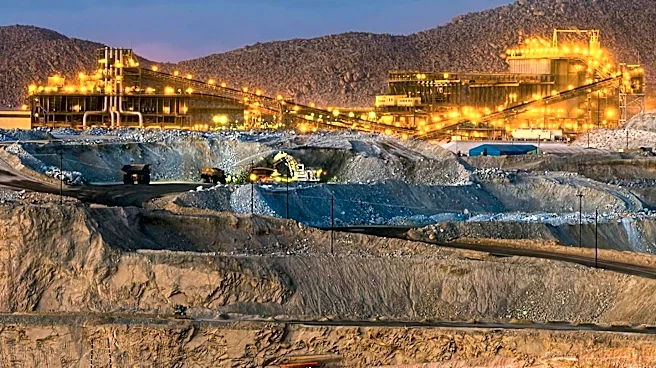
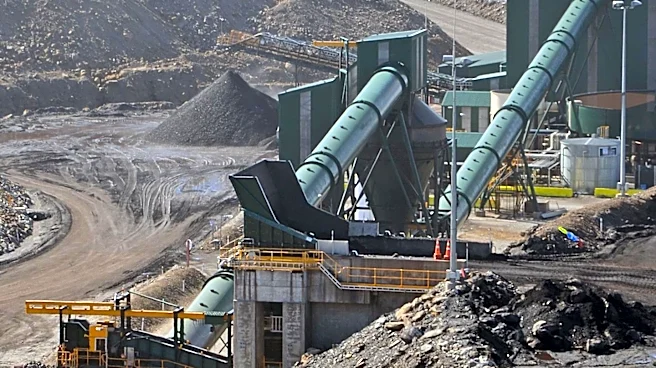
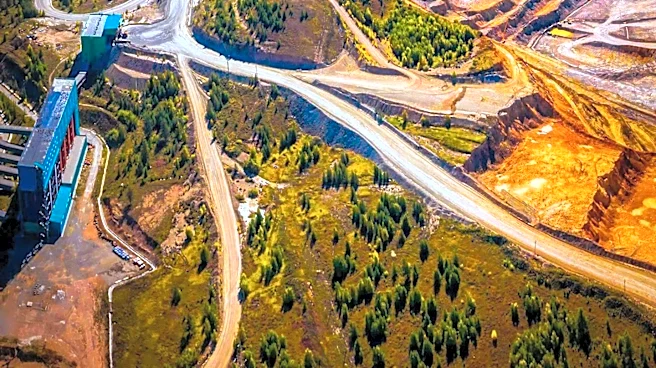
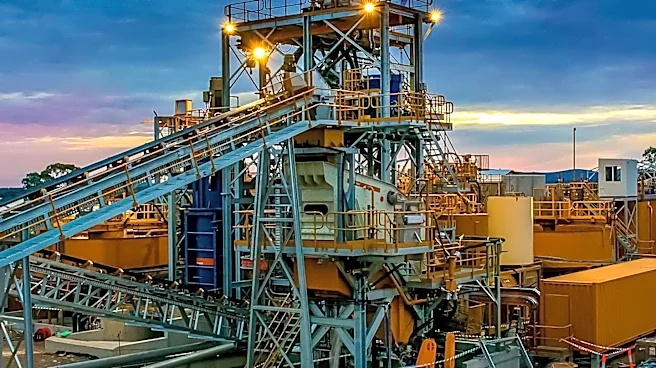
Sherritt International faces an uncertain future regarding its joint ventures with the Cuban government. Chinese technological assistance is becoming crucial for maintaining Cuba's aging mining facilities. Analysts view this as a strategic move by Beijing to integrate Cuba more deeply into its mineral supply chains, raising concerns about Cuba's economic autonomy and global supply chain resilience. Cuba possesses substantial nickel and cobalt reserves, primarily in the Moa-Nicaro mining belt, which are vital for electric vehicle batteries and other advanced industries. The Cuban mining sector has long suffered from underinvestment and outdated equipment, making external partnerships essential for its operation.
Why It's Important?
China's deepening involvement in Cuba's nickel industry has significant geopolitical and economic implications for the U.S. and global supply chains. Nickel and cobalt are critical minerals, and increased Chinese control over these resources in Cuba could further consolidate Beijing's dominance in the global battery and advanced manufacturing sectors. This development could exacerbate U.S. efforts to diversify its critical mineral supply chains away from China, potentially increasing reliance on Chinese-influenced sources. For Cuba, while Chinese investment offers much-needed support for its struggling economy, it risks deepening its strategic dependence on Beijing. This could strengthen China's influence in the Caribbean, a region of strategic interest to the U.S., and potentially impact regional stability and economic dynamics. The situation highlights the ongoing global competition for control over essential resources for the energy transition and defense industries.
What's Next?
The trend of increasing Chinese influence in Cuba's nickel industry is likely to continue, with further technological upgrades and potential joint ventures. As global demand for battery minerals grows, China will likely seek to secure more long-term supply agreements and operational control. The U.S. and its allies may intensify efforts to counter this influence by exploring alternative supply sources, investing in domestic mineral processing, or engaging with other Latin American countries to diversify critical mineral partnerships. Cuba will need to navigate its economic needs with concerns about sovereignty and long-term strategic dependence. The future of Canadian involvement, particularly Sherritt International's role, will also be a key factor in how the industry evolves, potentially creating more opportunities for Chinese expansion if Western companies withdraw.
Beyond the Headlines
This development is part of a broader pattern of China's strategic engagement in Latin America's critical mineral sectors, including lithium and copper. Beijing's approach aims to secure control across the entire value chain, from extraction to refining and industrial use, thereby reducing its exposure to supply disruptions and enhancing its global bargaining power. For host countries like Cuba, this often presents a trade-off between immediate economic benefits and long-term strategic dependence. The issue extends beyond mere commercial transactions, as Chinese investment in critical infrastructure and technology can reinforce political relationships and increase leverage over emerging technology supply chains. This dynamic underscores the complex interplay of economics, geopolitics, and resource security in the global competition for strategic materials, with implications for international energy security and industrial policy.