








What's Happening?
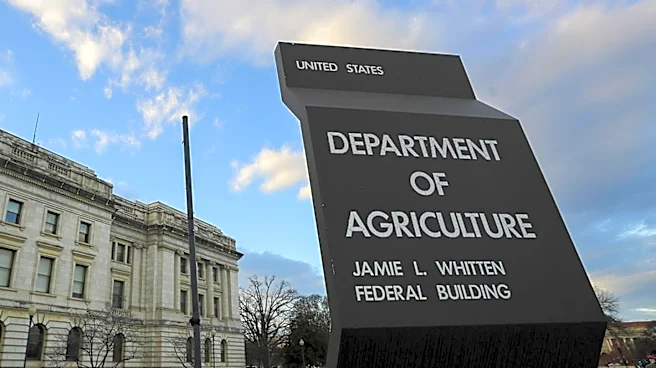
The U.S. Department of Agriculture (USDA) is marking the one-year anniversary of the Working Families Tax Cuts Act by announcing significant improvements to its disaster assistance and commodity loan programs. These enhancements are part of the USDA's
commitment to the 'Farmers First' initiative, which aims to support livestock producers, orchardists, and nursery tree growers. The USDA's Farm Service Agency (FSA) is increasing Marketing Assistance Loan rates and expanding these loans to better assist cotton and sugar producers. The changes include expanded disaster assistance coverage and increased benefits to help producers recover from eligible losses. For instance, the Emergency Assistance for Livestock, Honeybees, and Farm-Raised Fish Program (ELAP) is now providing benefits for farm-raised fish losses due to predatory birds, with a payment rate of $600 per acre. Additionally, the Livestock Forage Disaster Program (LFP) and Livestock Indemnity Program (LIP) have been updated to offer more comprehensive support.
Why It's Important?
These program enhancements are crucial for the economic stability of American farmers and ranchers, particularly in the face of natural disasters and fluctuating market prices. By strengthening the safety net for agricultural producers, the USDA is ensuring that farmers have the necessary support to maintain their operations and livelihoods. The improvements to the Marketing Assistance Loans and disaster assistance programs are expected to provide significant financial relief and flexibility, allowing producers to better manage cash flow and marketing strategies. This initiative reflects the USDA's ongoing commitment to bolstering the agricultural sector, which is vital for the U.S. economy and food security.
What's Next?
The USDA will continue to implement these program improvements, with some changes retroactively effective from January 1, 2026. The agency will monitor the impact of these enhancements and may consider further adjustments to ensure that the programs meet the evolving needs of farmers and ranchers. Stakeholders, including agricultural producers and industry groups, are likely to engage with the USDA to provide feedback and advocate for additional support measures. The USDA's efforts to strengthen the agricultural safety net will be closely watched by policymakers and the agricultural community as they assess the effectiveness of these initiatives in supporting the sector.