





What's Happening?
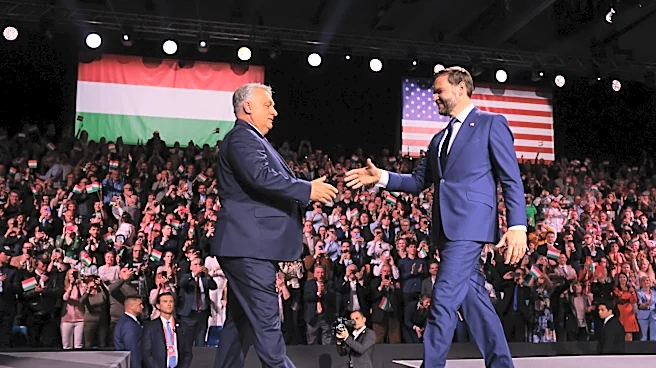
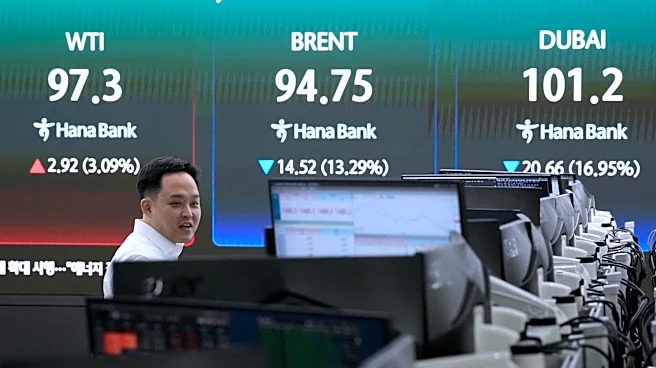
Vice President JD Vance has characterized the recent ceasefire with Iran as a 'fragile truce.' The ceasefire, announced on Tuesday, has temporarily halted attacks on Iran for two weeks, leading to a relief rally in global markets. Speaking in Hungary,
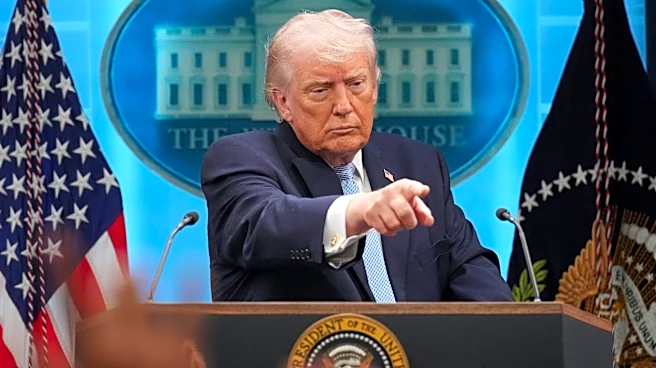
Vance noted that while Iran's foreign minister has responded positively to the ceasefire, other factions within Iran have been dishonest about the agreement. Vance emphasized the U.S.'s significant military, diplomatic, and economic leverage over Iran, suggesting that the U.S. is prepared to use these tools if necessary. President Trump has expressed impatience for progress, warning Iran of severe consequences if a deal is not reached.
Why It's Important?
The ceasefire with Iran holds significant implications for international relations and global markets. The temporary halt in hostilities has provided a sense of relief in global markets, which had been on edge due to the conflict. The U.S.'s approach to the ceasefire, as articulated by Vance, underscores the strategic use of economic and military leverage in diplomatic negotiations. The situation also highlights the delicate balance of power in the Middle East and the potential for escalation if diplomatic efforts fail. The U.S.'s stance could influence its relationships with allies and adversaries alike, impacting global geopolitical dynamics.
What's Next?
The next steps involve potential negotiations between the U.S. and Iran, with the U.S. leveraging its economic and military power to push for a more permanent resolution. The outcome of these negotiations could significantly impact the stability of the region and the global economy. Stakeholders, including international allies and economic markets, will be closely monitoring the situation for any developments. The U.S. administration's handling of the ceasefire and subsequent negotiations will be critical in shaping future diplomatic relations and regional stability.