










What's Happening?
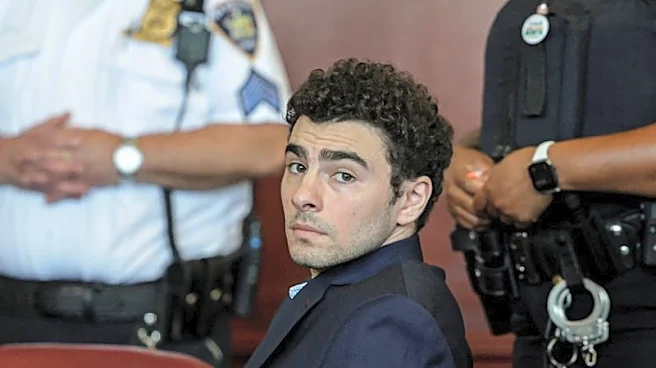
John Alite, a councilman in Englishtown, New Jersey, was arrested on charges of extortion and corporate misconduct. Alite, who has a history as a mob enforcer for the Gambino crime family, allegedly made illegal loans and threatened debtors with violence
to collect money and property. The New Jersey Attorney General's office announced the charges, highlighting Alite's use of his business, Straightened-Out Entertainment, Inc., to facilitate the scheme. Alite, who has previously admitted to committing multiple murders and other violent acts during his time with the mob, had been appointed to the council in May 2025. He had claimed to have left his criminal past behind, focusing on community service following personal tragedies.
Why It's Important?
The arrest of John Alite underscores ongoing concerns about corruption and criminal influence in local government. Alite's case highlights the challenges of reintegrating former criminals into society, especially when they hold public office. This situation raises questions about the vetting processes for public officials and the potential risks of allowing individuals with criminal backgrounds to hold positions of power. The charges against Alite could lead to increased scrutiny of other public officials with similar pasts, potentially impacting public trust in local governance.
What's Next?
The legal proceedings against John Alite will likely unfold in the coming months, with potential implications for his political career and the Englishtown council. The case may prompt a review of appointment processes for public officials in New Jersey, particularly concerning background checks and the consideration of past criminal activities. The outcome of this case could influence future policies on the rehabilitation and public service eligibility of former criminals.
Beyond the Headlines
Alite's arrest brings to light the complex issues surrounding the rehabilitation of former criminals and their roles in society. It raises ethical questions about forgiveness, redemption, and the extent to which individuals with violent pasts can be trusted in positions of authority. This case may also spark broader discussions on the effectiveness of current rehabilitation programs and the societal barriers faced by those seeking to reform.