



What's Happening?
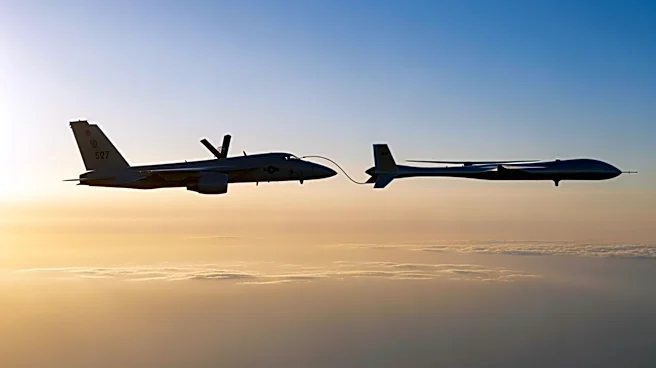
The U.S. Army is exploring the possibility of developing its own aerial refueling capacity, a move that could significantly enhance its operational flexibility and reduce logistical vulnerabilities. Currently, the Army relies on external resources for
aerial refueling, particularly for its special operations helicopter crews, such as the MH-47 Chinooks and MH-60 Black Hawks. These helicopters largely depend on C-130s for refueling, which are in limited supply. Maj. Gen. Clair Gill, the commanding general of U.S. Army Aviation, has indicated that the Army is considering whether it needs to establish a requirement for its own aerial refueling capabilities. This initiative is under discussion at the leadership level, with the potential to reduce the need for ground-based logistics and forward refueling points, thereby decreasing vulnerability during operations.
Why It's Important?
The development of an independent aerial refueling capacity by the U.S. Army could have significant implications for military operations and logistics. By reducing reliance on external refueling resources, the Army could enhance its operational autonomy and flexibility, allowing for more extended missions and reduced logistical footprints on the ground. This could lead to increased safety and efficiency in military operations, particularly for special operations forces that require rapid and flexible deployment capabilities. Additionally, this move could potentially lead to innovations in military aviation technology, including the development of new or modified aircraft systems tailored to the Army's specific needs.
What's Next?
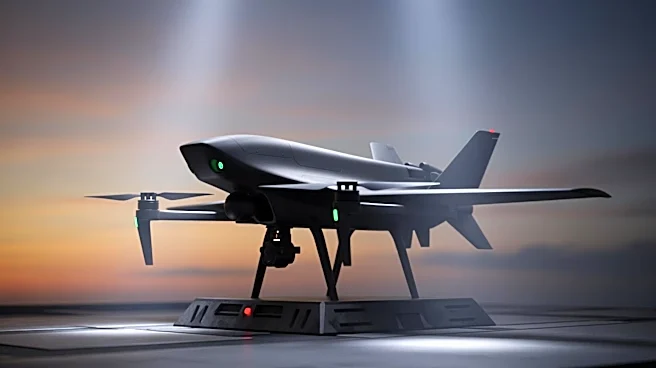
If the U.S. Army decides to proceed with developing its own aerial refueling capacity, it will likely involve significant planning and investment in new technologies or modifications to existing aircraft. The Army may explore options such as uncrewed aircraft systems or modifications to in-service aircraft to meet its refueling needs. This initiative could also prompt discussions and collaborations with defense contractors and technology developers to create efficient and effective refueling solutions. The decision-making process will involve assessing the strategic benefits and costs associated with such a development, as well as potential impacts on current military logistics and operations.