


What's Happening?
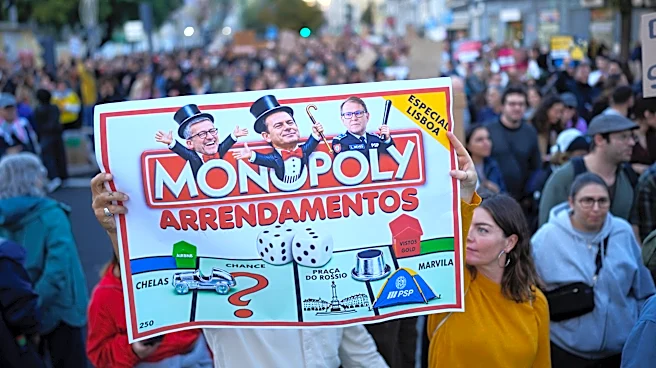
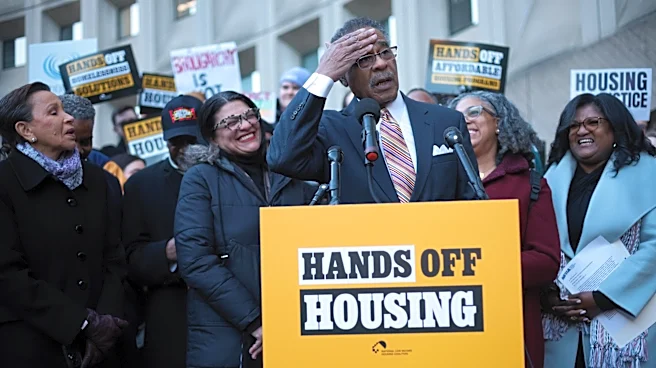
Tens of thousands of people have taken to the streets across more than 30 towns and cities in Portugal to protest against surging rental prices and a worsening housing crisis. Organized by the Casa Para Viver (A Home to Live In) platform, these demonstrations,
held under the slogan 'They will not steal our right to a home,' represent the largest national protest movement since it began weeks ago. Protesters in cities like Lisbon, Porto, and Faro are demanding urgent government action, including caps on rent increases, stronger legal protections for tenants against eviction, and an increase in affordable housing options. The protests follow parliamentary approval of government changes aimed at increasing flexibility in rental contracts and accelerating eviction procedures, which housing campaigners fear could further weaken tenant protections amidst rising rents and limited housing availability. The movement highlights a significant societal challenge in Portugal, where housing costs have risen dramatically faster than incomes.
Why It's Important?
The widespread housing protests in Portugal underscore a critical social and economic issue that could have broader implications for the country's stability and future policy direction. The significant disparity between rising property prices and stagnant incomes, as highlighted by Eurostat data showing a 61 percent increase in Portugal's home price-to-income ratio between 2015 and 2025, indicates a growing affordability crisis. This situation disproportionately affects a wide range of citizens, from young professionals to retirees, who find themselves unable to secure adequate housing. The government's proposed changes to rental legislation, intended to offer flexibility, are viewed by campaigners as detrimental to tenant rights, potentially exacerbating the problem. The sustained public outcry could pressure the government to reconsider its approach, potentially leading to more tenant-friendly policies or increased investment in public housing. Failure to address these concerns could lead to continued social unrest and a decline in living standards for a significant portion of the population, impacting economic productivity and social cohesion.
What's Next?
The Portuguese government faces increasing pressure to respond effectively to the housing crisis. While it has already proposed measures such as lowering taxes on new construction, restricting short-term rentals, and committing to build 145,000 new homes, these actions are acknowledged to have no immediate impact. Casa Para Viver representatives have urged Prime Minister Luis Montenegro to engage directly with them, suggesting that further dialogue and potentially revised policy approaches are anticipated. The ongoing protests indicate that public dissatisfaction remains high, and without more immediate and impactful solutions, further demonstrations are likely. The government's ability to balance the interests of property owners, developers, and tenants will be crucial in determining the future trajectory of the housing market and social stability in Portugal. The outcome could set precedents for how other European nations address similar housing affordability challenges.
Beyond the Headlines
The housing crisis in Portugal, as evidenced by these protests, reflects a broader European trend where housing affordability has become a major concern, particularly in desirable urban centers. The influx of foreign buyers and investment funds, often attracted by favorable policies and climate, has significantly driven up property and rental prices, making it difficult for local residents to compete. This phenomenon raises ethical questions about the balance between attracting foreign investment and ensuring housing as a fundamental right for citizens. The protests also highlight a generational divide, with many young people finding homeownership increasingly out of reach, potentially leading to long-term demographic and economic shifts. The struggle for affordable housing is not merely an economic issue but also a cultural one, impacting community structures and the ability of individuals to establish roots. The long-term implications could include increased social inequality, outward migration of younger generations, and a fundamental reshaping of urban landscapes.