









What's Happening?
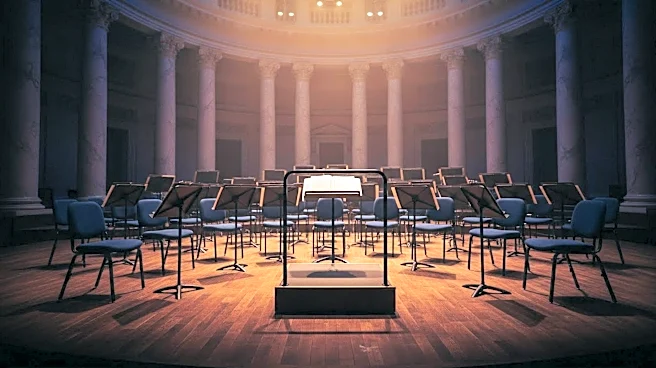
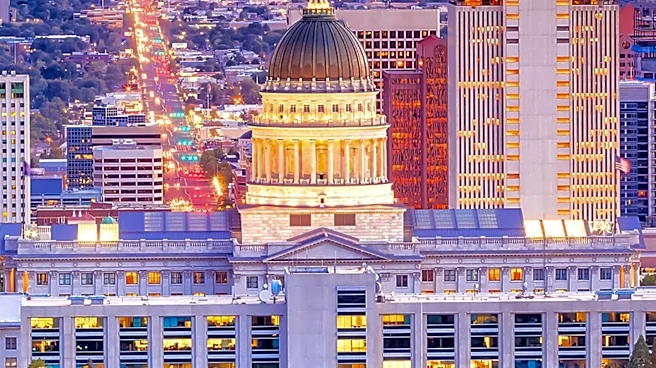
On July 3, 2026, the Utah Symphony and Utah Opera performed at the Utah State Capitol in Salt Lake City to commemorate the 250th anniversary of America's founding. This event was part of the Music Elevated State Tour, which runs from June 30 to July 10,
featuring performances in seven locations across Utah. The concert, organized in partnership with America250 Utah, aimed to celebrate the cultural heritage of Utah and the United States through live music. The event was free and open to the public, offering attendees a chance to enjoy music and participate in pre-concert activities such as traditional games and a community art project. The program included a mix of patriotic and classical pieces, with highlights like Aaron Copland's 'Hoe-Down' and John Williams' 'Liberty Fanfare'. The performance also paid tribute to the Utah Symphony's history and the legacy of Maurice Abravanel.
Why It's Important?
This celebration underscores the role of music in uniting communities and honoring national heritage. By performing at the State Capitol, the Utah Symphony and Opera not only marked a significant national milestone but also highlighted Utah's contribution to America's cultural landscape. The event provided a platform for local artists and engaged the community in a shared cultural experience, fostering a sense of unity and pride. Additionally, the inclusion of historical and contemporary American works in the program reflects the ongoing evolution of the nation's artistic identity. Such events can strengthen community ties and promote cultural appreciation, which are vital for maintaining a vibrant and inclusive society.
What's Next?
The Music Elevated State Tour will continue with performances in other Utah locations until July 10, further spreading the celebration of America's 250th anniversary. These events are expected to draw diverse audiences, offering more opportunities for community engagement and cultural exchange. The tour may also inspire similar initiatives in other states, encouraging nationwide participation in commemorating this historic milestone. As the tour progresses, it will likely continue to emphasize the importance of cultural heritage and the arts in American society.