




What's Happening?
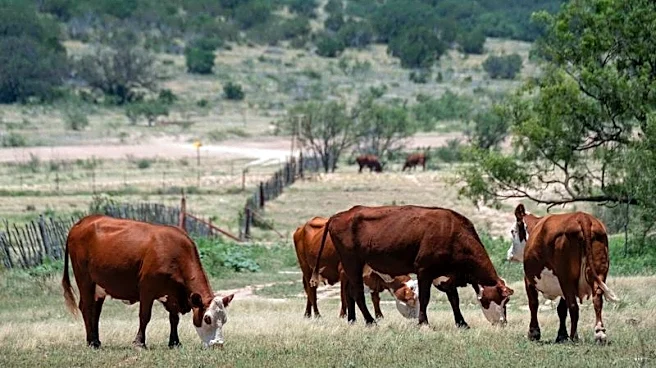
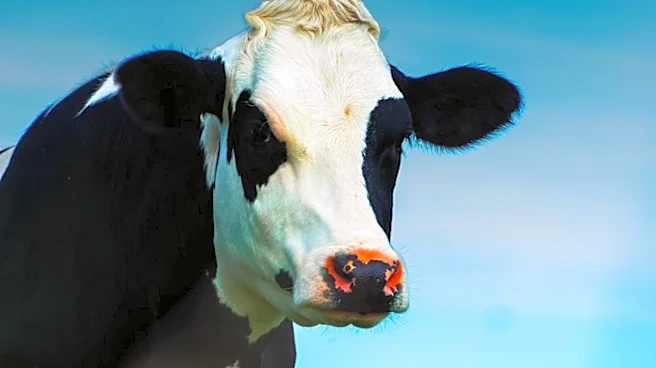
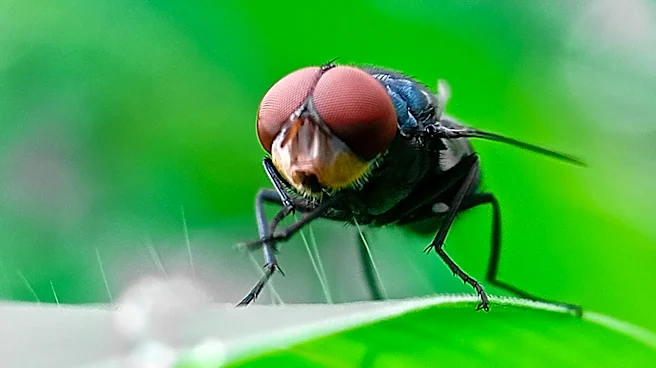
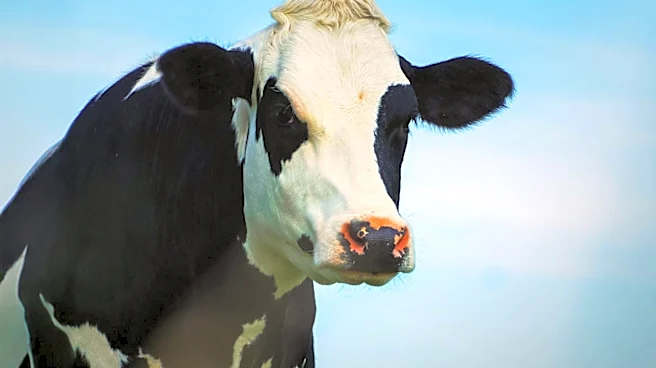
The U.S. Department of Agriculture (USDA) has announced a phased reopening of specific southern border port offices for livestock trade, starting with the Douglas, Arizona, port of entry. This decision follows the May 2025 suspension of the southern livestock trade corridor
due to the spread of New World screwworm in Mexico. The USDA aims to prevent further entry of the pest into the U.S. while supporting eradication efforts in Mexico. The phased reopening is seen as a step toward restoring the cross-border agricultural business that has long supported ranchers, feedlots, and processors. The USDA's full inspection process will ensure that imported cattle meet all health and safety requirements before entering the U.S.
Why It's Important?
The reopening of the livestock trade corridor is crucial for the U.S. beef supply chain, which has faced significant economic consequences due to the suspension of live cattle imports from Mexico. The integration of U.S. and Mexican cattle industries highlights the importance of cross-border trade for maintaining cattle supplies and stabilizing beef prices. The USDA's decision reflects the trust rebuilt between the two countries through coordinated disease-mitigation efforts. This move is expected to alleviate some of the supply constraints and financial strain on the industry, benefiting ranchers, processors, and consumers.
What's Next?
The phased reopening will continue as operational steps are completed at other southern border port offices. Ongoing cooperation between the USDA and Mexican agencies will be essential to manage the risk of screwworm and other foreign animal diseases. The USDA will likely focus on enhancing biosecurity measures and disease surveillance to prevent unauthorized livestock movements across the border. Long-term success will require a binational policy that addresses these challenges holistically, ensuring the safe movement of animals and protecting the North American livestock industry.