






What's Happening?
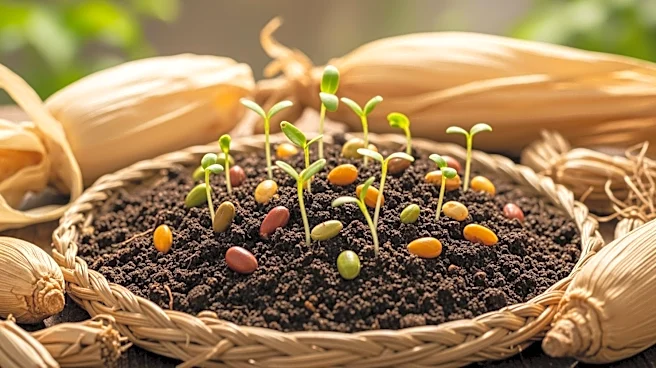
Indigenous farming practices are gaining attention as modern agriculture struggles with the impacts of climate change. Research indicates that traditional farming systems, such as the cultivation of maize, beans, and squash together, can protect soil
health and reduce biodiversity loss. These practices, rooted in Indigenous knowledge, offer sustainable alternatives to industrial agriculture. A study by Kamaljit Sangha highlights the potential of these systems to contribute to food security and environmental resilience. However, there is a need for more research to quantify their scalability and economic value.
Why It's Important?
The integration of Indigenous farming practices into mainstream agriculture could play a significant role in addressing climate change challenges. As global food systems face threats from rising temperatures and soil degradation, these traditional methods offer a viable path to sustainability. Supporting Indigenous agriculture can also preserve cultural heritage and promote biodiversity. Government investment and policy support are essential to harness these benefits and ensure that both traditional and modern farming systems can coexist and thrive. This approach could lead to more resilient food systems and reduce greenhouse gas emissions.