







What's Happening?
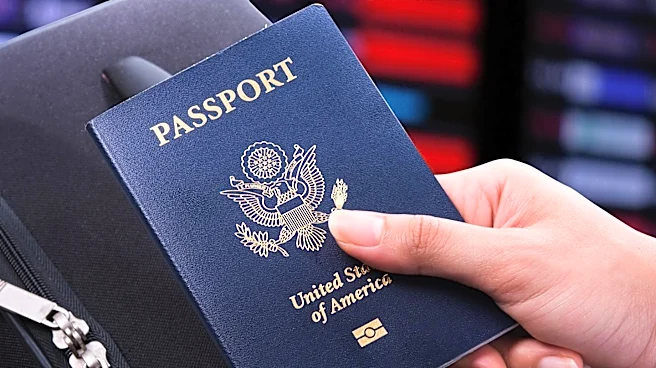
President Trump has unveiled a new limited-edition U.S. passport design featuring his image alongside the founding fathers. This 'patriot passport' is part of the Trump administration's 'America 250' initiative, commemorating the 250th anniversary of American
independence. The passport includes a message, 'Welcome, but be good!' and is available to American citizens applying for a passport during the rollout period. The design incorporates the Declaration of Independence and the American flag, with Trump's signature in gold. The State Department has confirmed that these passports will maintain the same security features as standard U.S. passports. The initiative is part of a broader effort by President Trump to attach his name and image to various government programs and symbols.
Why It's Important?
The introduction of this new passport design is significant as it reflects President Trump's ongoing efforts to personalize and brand government initiatives with his image. This move could influence public perception of national symbols and government programs, potentially leading to debates about the appropriateness of such personalization. The 'America 250' initiative aims to foster national pride and unity through commemorative events and symbols, but it also raises questions about the role of personal branding in public institutions. The passport's limited availability may also create a sense of exclusivity and demand among citizens.
What's Next?
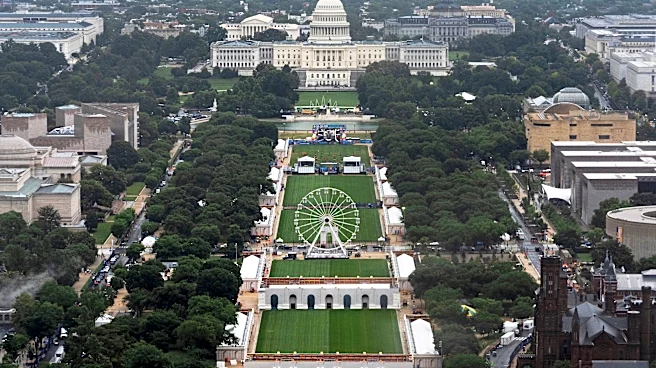
As the rollout of the new passport design continues, it is likely to spark discussions among political leaders and the public about the implications of personal branding in government. Lawmakers may introduce legislation to address concerns over the naming of public assets after sitting presidents. Additionally, the broader 'America 250' celebrations will include various events and programs across the country, potentially influencing cultural and historical narratives. The response from civil society and political groups will be crucial in shaping the future of such initiatives.
Beyond the Headlines
The introduction of the new passport design highlights a deeper trend of personal branding within government, which could have long-term implications for how national symbols are perceived. This move may set a precedent for future administrations, potentially leading to increased personalization of government programs. The ethical and cultural dimensions of this trend will likely be debated, as it challenges traditional views on the separation between personal and public identities in government. The impact on national identity and historical commemoration will be an area of interest for cultural analysts and historians.