
What's Happening?
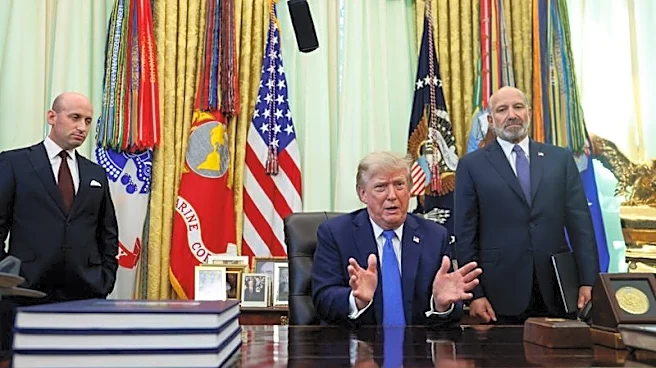
President Donald Trump has signed two executive actions aimed at limiting birthright citizenship and curbing 'birth tourism' in the United States. Despite a recent Supreme Court ruling upholding a broad
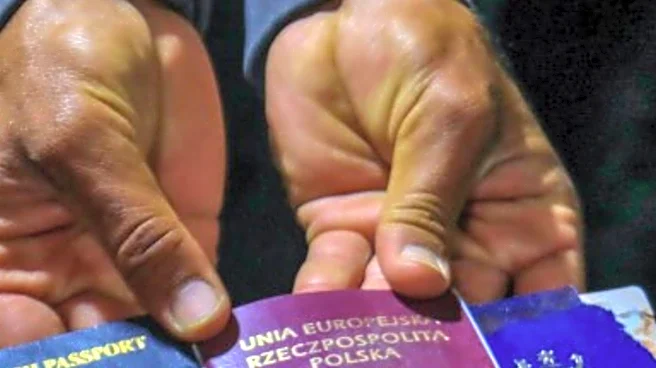
interpretation of birthright citizenship, Trump is attempting to restrict automatic citizenship to certain categories, such as children of foreign diplomats or those considered 'alien enemies.' The second order targets 'birth tourism' by imposing stricter visa requirements for visitors intending to give birth in the U.S. These actions reflect Trump's ongoing efforts to reshape immigration policy during his second term.
Why It's Important?
These executive actions could have significant implications for U.S. immigration policy and the legal interpretation of the 14th Amendment, which grants citizenship to anyone born in the country. If successful, these measures could alter the landscape of American citizenship, potentially creating a class of individuals born in the U.S. without citizenship rights. This move is likely to face legal challenges, as opponents argue it contradicts constitutional guarantees. The actions also highlight the administration's focus on immigration as a key policy area, potentially affecting diplomatic relations and international perceptions of the U.S.
What's Next?
The executive orders are expected to face immediate legal challenges from civil rights groups and immigration advocates. The American Civil Liberties Union has already indicated plans to contest the orders, citing constitutional protections. The outcome of these legal battles could set important precedents for future immigration policy. Additionally, the administration's actions may influence upcoming political debates and elections, as immigration remains a contentious issue. The response from international communities and potential diplomatic repercussions will also be closely monitored.