





What's Happening?
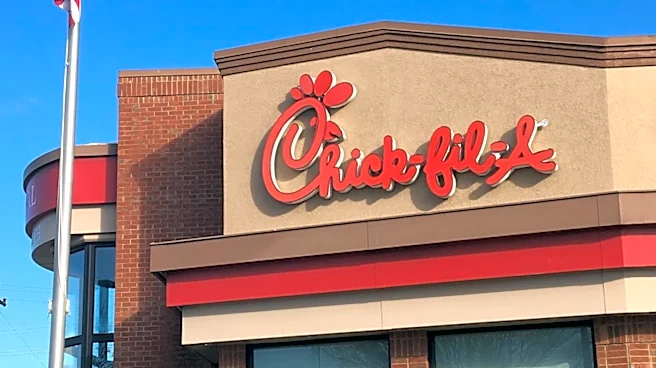
The Middletown Planning and Zoning Commission has rejected a proposal to demolish a nearly 300-year-old home to make way for a Chick-fil-A restaurant. The Partridge Southmayd House, a colonial saltbox built in 1739 and located at 797 Washington St., will
remain in place for now. The historic home is currently vacant, and its owners had sought to have it deconstructed and relocated. Municipal historian Deborah Shapiro spoke against the removal, highlighting the home's historical significance, including its connection to enslaved workers who stayed there while constructing the nearby Seth Wetmore House in the 1740s. While some residents were open to the project, they preferred the historic home to be preserved within Middletown or integrated into the site plans. The Commission's decision means the home's future remains uncertain, though the property owner and project applicant have options to resubmit modified plans or appeal the ruling. Separately, a credit union was approved for a neighboring parcel of land.
Why It's Important?
This decision underscores the ongoing tension between commercial development and historical preservation in U.S. communities. The rejection of the Chick-fil-A proposal in favor of preserving the Partridge Southmayd House highlights a growing public and municipal interest in protecting historical structures and their associated narratives. The case brings to light the often-overlooked histories embedded within old buildings, such as the role of enslaved labor in their construction, which municipal historian Deborah Shapiro emphasized. This outcome could set a precedent for other communities facing similar development pressures, encouraging them to prioritize cultural heritage over new commercial ventures. It also demonstrates the power of local planning commissions and community advocacy in shaping urban landscapes and preserving the unique character of historic towns. The economic implications for the property owners and the potential revenue for the city from a new business are weighed against the intangible value of historical continuity and cultural memory.
What's Next?
The future of the Partridge Southmayd House remains uncertain following the Middletown Planning and Zoning Commission's decision. The property owner and project applicant have several options, including modifying their proposal and resubmitting it for reconsideration or appealing the Commission's recent vote. Antique home restorer William Butterly had previously offered to deconstruct and relocate the house to his shoreline property in Guilford or Madison, with plans to rent it out as a single-family home after upgrading its interior while preserving original elements. This alternative could still be pursued if the owners decide against further commercial development at the current site. Meanwhile, the neighboring plot at 809 Washington St. will proceed with the demolition of a 1950s-era home to construct a new branch of the Dutch Point Credit Union, which was approved during the same meeting. The community will likely continue to monitor developments regarding the historic home's fate.
Beyond the Headlines
The Middletown decision extends beyond a simple zoning dispute, touching upon deeper societal values concerning heritage, memory, and the built environment. The emphasis on the Partridge Southmayd House's connection to enslaved workers introduces a critical ethical dimension, prompting communities to confront and acknowledge uncomfortable aspects of their past embedded in physical structures. This move towards preserving sites linked to marginalized histories reflects a broader cultural shift in the U.S. to tell more complete and inclusive historical narratives. The conflict between a fast-food chain, often seen as a symbol of modern consumerism and rapid development, and a centuries-old home, representing continuity and historical depth, highlights a fundamental debate about what defines a community's identity. This case could inspire other municipalities to adopt more stringent preservation policies, particularly for sites with significant social or cultural narratives, thereby influencing urban planning and development trends across the nation.