




What's Happening?
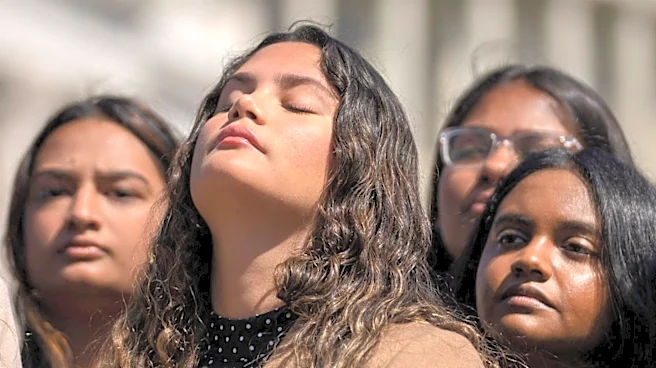
Shellan Saling, Interim Chair of the Youth Plastics Action Network (YPAN), has significantly expanded youth participation and influence in the ongoing UN Global Plastics Treaty negotiations, known as the INC process. YPAN, supported by the Children and Youth Major
Group to UNEP, was established to provide a structured voice for young people in these discussions. Under Saling's leadership, youth delegation participation has increased by 400 percent, now coordinating young individuals across more than 170 countries. This growth has transformed youth involvement from mere observation to active contribution, with young representatives delivering formal interventions, aligning positions with coalition partners, and contributing treaty language on critical issues such as extended producer responsibility and sustainable materials. Their proposals are now being incorporated into the negotiating text by member states, establishing youth as a recognized voice in the process.
Why It's Important?
The increased involvement of youth in the UN Global Plastics Treaty negotiations is crucial for shaping future environmental policy. By actively contributing to treaty language and advocating for specific provisions, young people are ensuring that long-term sustainability and environmental protection are central to the agreement. This engagement highlights a growing recognition of the importance of intergenerational equity in addressing global challenges like plastic pollution. The network's success in moving youth from observers to contributors demonstrates the power of organized advocacy and capacity building, potentially influencing how other international negotiations incorporate diverse stakeholder groups. This shift could lead to more comprehensive and forward-thinking solutions, as the perspectives of those who will live with the consequences of these policies are directly integrated into their formation.
What's Next?
YPAN's Multilateral Environmental Negotiations Bootcamp, co-founded and run by Shellan Saling with IUCN’s World Commission on Environmental Law, will continue to build negotiating capacity for young people, member state delegations, businesses, and other stakeholders. This program has already trained over 10,000 participants from more than 130 countries in just over a year, indicating a sustained effort to empower future leaders in environmental diplomacy. As negotiations for the global plastics treaty progress, the continued influence of YPAN is expected to push for more ambitious and inclusive outcomes. The network's focus on contributing specific treaty language suggests that future iterations of the treaty will likely reflect youth priorities, particularly concerning extended producer responsibility and sustainable materials.
Beyond the Headlines
The rise of youth-led organizations like YPAN in international negotiations signifies a broader trend of younger generations demanding a more active role in addressing global crises. This development challenges traditional diplomatic structures and emphasizes the need for diverse voices in policy-making. Shellan Saling's work, which also includes advising companies on carbon measurement and climate transition and building AI-powered tools for sustainability, bridges the gap between international policy and corporate implementation. This integrated approach suggests a future where policy advocacy is closely linked with practical, technological solutions, fostering a more holistic response to environmental challenges. The success of YPAN could serve as a model for other youth movements seeking to influence global governance.