

What's Happening?
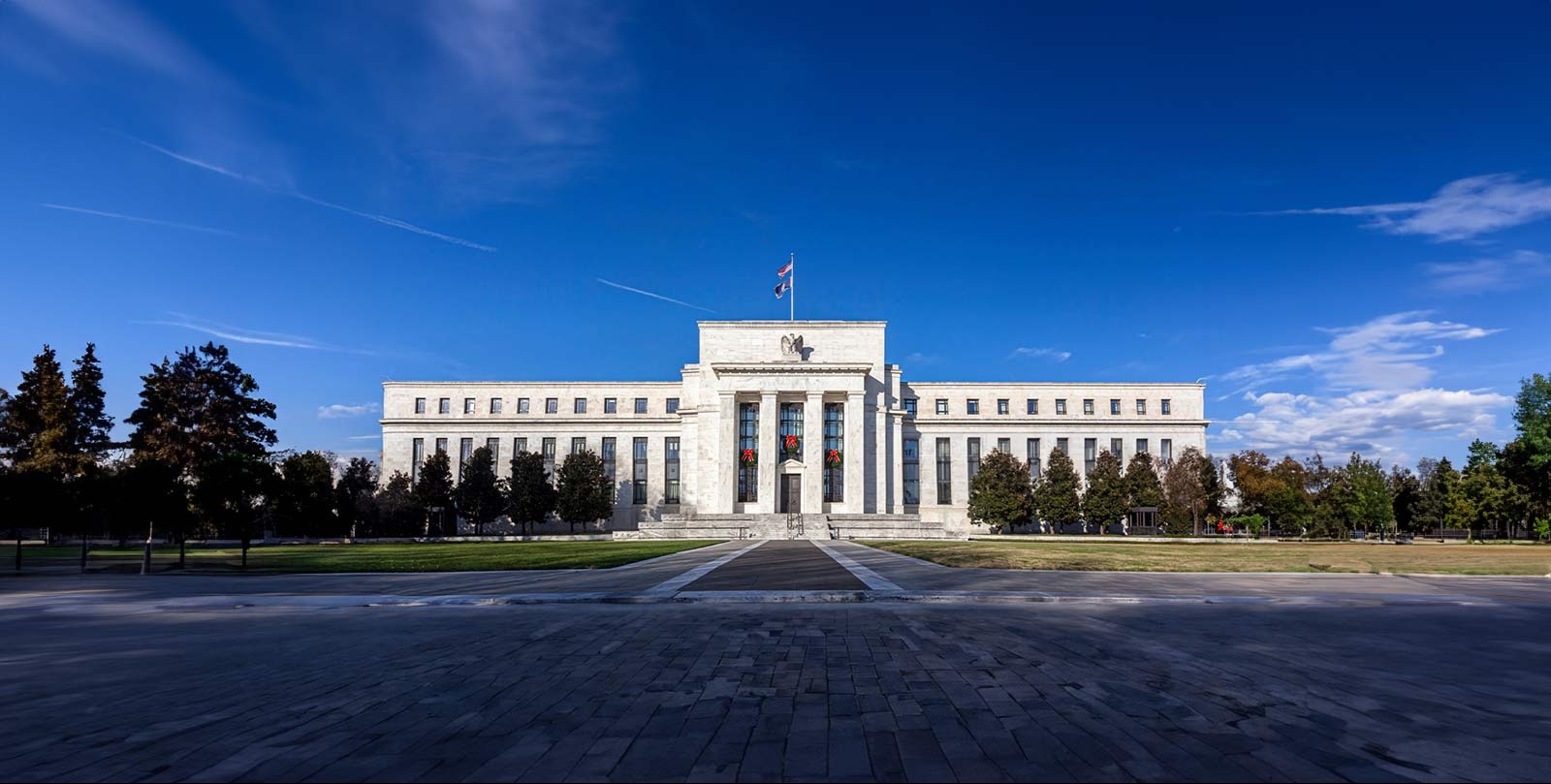
Jerome Powell, the Chair of the Federal Reserve, has announced that he is under criminal investigation by the Department of Justice, a move perceived as part of President Trump's ongoing efforts to influence the Federal Reserve. Powell, who has faced
repeated criticism from President Trump, stated that the investigation is linked to allegations of misleading Congress about a Federal Reserve renovation project that exceeded its budget. Powell emphasized that the investigation is a consequence of the Federal Reserve's commitment to setting interest rates based on public interest rather than presidential preferences. The investigation has raised concerns about the independence of the Federal Reserve, with Powell asserting that the administration's actions are unprecedented and threaten the institution's autonomy.
Why It's Important?
The investigation into Jerome Powell represents a significant challenge to the independence of the Federal Reserve, an institution critical to the stability of the U.S. economy. The Federal Reserve's ability to operate free from political influence is essential for maintaining economic stability and investor confidence. The potential erosion of this independence could have far-reaching implications, including increased market volatility and diminished trust in U.S. financial institutions. The situation also highlights broader concerns about the politicization of economic policy and the potential consequences for global economic stability, given the U.S. dollar's role as a global reserve currency.
What's Next?
The investigation's outcome could have significant implications for the Federal Reserve's future leadership and its relationship with the executive branch. If Powell is forced to step down, President Trump may have the opportunity to appoint a successor more aligned with his economic policies, potentially altering the Federal Reserve's approach to interest rates and monetary policy. The situation may also prompt legislative or judicial actions to reinforce the Federal Reserve's independence. Additionally, the investigation could influence upcoming elections and political discourse, as stakeholders debate the appropriate balance between political oversight and institutional autonomy.
Beyond the Headlines
The investigation into Powell underscores the delicate balance between political oversight and the independence of key economic institutions. It raises ethical and legal questions about the extent to which political leaders can influence monetary policy. The situation also reflects broader trends of increasing political polarization and the challenges of maintaining institutional integrity in a highly charged political environment. The outcome of this investigation could set precedents for future interactions between the executive branch and independent agencies, potentially reshaping the landscape of U.S. economic governance.