




What's Happening?
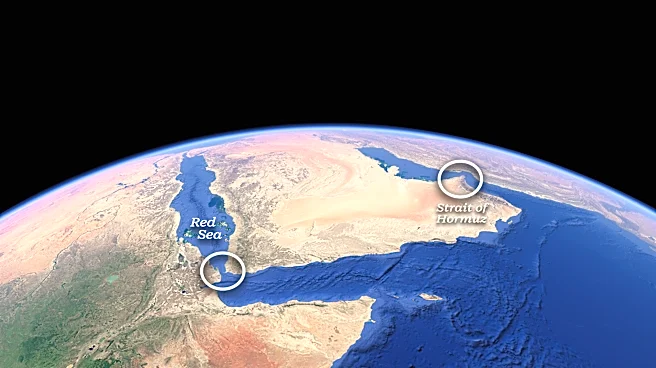
Global energy prices have surged, with oil reaching $100 per barrel, driven by escalating tensions in the Middle East. Iran-backed Houthis reportedly attacked Saudi tankers, threatening a critical trade corridor. Concurrently, President Trump has imposed
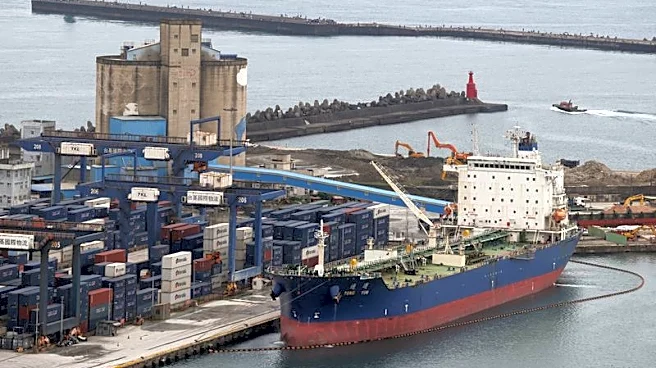
new tariffs on over 60 countries, potentially disrupting global supply chains. These developments have contributed to increased volatility in global markets, with significant impacts on currencies and trade dynamics.
Why It's Important?
The rise in energy prices and new tariffs could have far-reaching effects on the global economy, particularly for energy-dependent industries and countries. Higher oil prices may lead to increased costs for transportation and manufacturing, potentially driving inflation. The new tariffs could further strain international trade relations, affecting global supply chains and economic growth. These factors combined could lead to increased market volatility and uncertainty, impacting investment decisions and economic stability.
What's Next?
The international community will likely monitor the situation closely, with potential diplomatic efforts to de-escalate tensions in the Middle East. Businesses and governments may need to adjust their strategies to mitigate the impact of rising energy costs and tariffs. The Federal Reserve and other central banks might also consider these developments in their monetary policy decisions, potentially influencing interest rates and economic forecasts.