




What's Happening?
The Department of Justice has charged four noncitizens in New Jersey with illegally voting in federal elections and making false statements during their naturalization processes. The individuals, identified as David Neewilly, Jacenth Beadle Exum, Idan
Choresh, and Abhinandan Vig, allegedly cast ballots in various federal elections after falsely claiming U.S. citizenship on voter registration forms. The charges were filed following an investigation by the District of New Jersey’s Election Integrity Task Force. According to the complaints, Neewilly voted in the 2020 and 2024 presidential elections, Beadle Exum and Vig in the 2020 election, and Choresh in the 2022 midterm election. The DOJ asserts that these actions violated federal law, and the defendants face significant prison sentences if convicted.
Why It's Important?
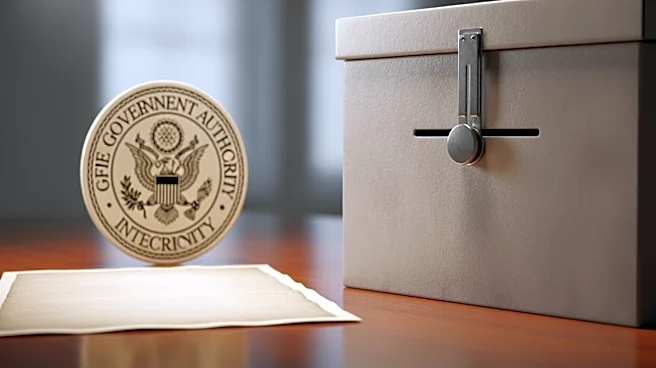
This case underscores the ongoing efforts by the U.S. government to safeguard the integrity of its electoral system. By prosecuting noncitizens who illegally vote, the DOJ aims to deter similar actions and reinforce public confidence in election processes. The charges highlight the legal consequences of attempting to circumvent voting laws and the naturalization process. This development is particularly significant in the context of ongoing debates about election security and voter fraud in the United States. It also reflects the DOJ's commitment to using its authority to address and prevent illegal voting activities, which can undermine democratic processes.
What's Next?
The legal proceedings against the four individuals will continue, with each facing potential prison sentences if found guilty. The DOJ and other federal agencies are likely to maintain their focus on election integrity, potentially leading to further investigations and prosecutions. This case may also prompt discussions among policymakers about the effectiveness of current measures to prevent illegal voting and the need for additional safeguards. Stakeholders, including civil rights groups and political leaders, may weigh in on the implications of these charges for broader election security policies.