
What's Happening?
The Environmental Protection Agency (EPA) is playing a pivotal role in transforming the car-buying process in the United States by enforcing greenhouse gas standards that compel automakers to produce cleaner
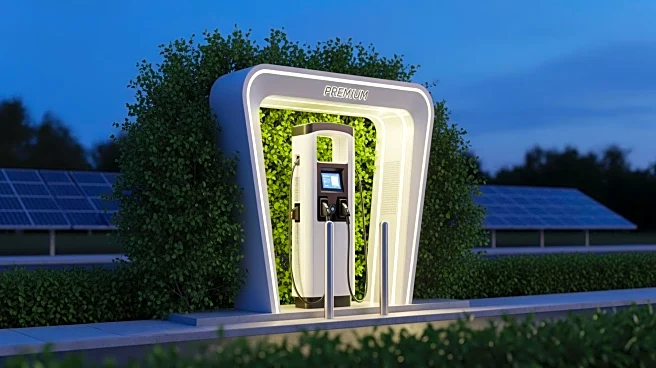
vehicles. This regulatory push is leading to an increase in the availability of electric vehicles (EVs), hybrids, and fuel-efficient gasoline models. As a result, EV sales have surged, now accounting for over 25% of new car sales in the U.S., a significant rise from 2% in 2020. The shift is driven by consumer concerns over carbon emissions and fuel efficiency, as well as the influence of automakers' environmental, social, and governance (ESG) performance on purchasing decisions. Despite higher initial costs, the EPA highlights that the long-term savings on fuel and maintenance make EVs more economical over time. The growing demand for EVs is also influenced by the availability of charging networks and eco-friendly urban infrastructure, particularly in coastal and urban areas with stricter emission regulations.
Why It's Important?
The transition towards electric vehicles is crucial in reducing the demand for oil, aligning with key climate goals supported by the EPA. This shift not only impacts the automotive industry but also has broader implications for energy consumption and environmental sustainability. As more consumers opt for EVs, there is a potential reduction in greenhouse gas emissions, contributing to global efforts to combat climate change. The increased demand for EVs also stimulates advancements in battery technology and charging infrastructure, fostering innovation and economic growth in these sectors. However, the transition poses challenges for traditional automakers and oil industries, which may face declining demand for conventional vehicles and fossil fuels.
What's Next?
As the market for electric vehicles continues to grow, further developments in charging infrastructure and battery technology are expected. Automakers are likely to expand their EV offerings to meet consumer demand and comply with regulatory standards. Additionally, government policies and incentives may play a significant role in accelerating the adoption of EVs. Stakeholders, including policymakers, industry leaders, and environmental groups, will need to collaborate to address the challenges and opportunities presented by this transition. The focus will likely be on ensuring that the infrastructure and technology keep pace with the growing number of EVs on the road.