



What's Happening?
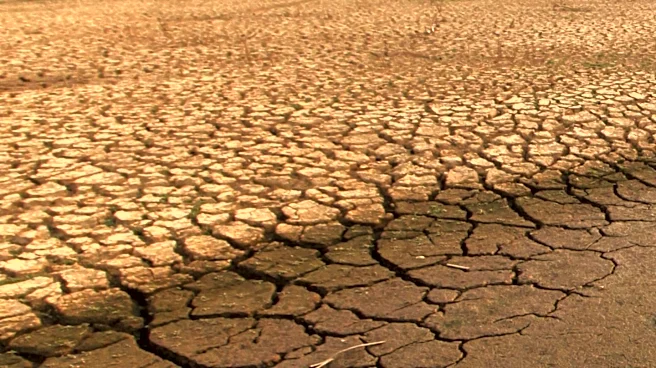
The Dead Sea, the lowest point on Earth at 427 meters below sea level, is experiencing a severe environmental crisis with its water level dropping by one meter annually. Once spanning over 1,000 square kilometers in the 1930s, its area has shrunk to 600
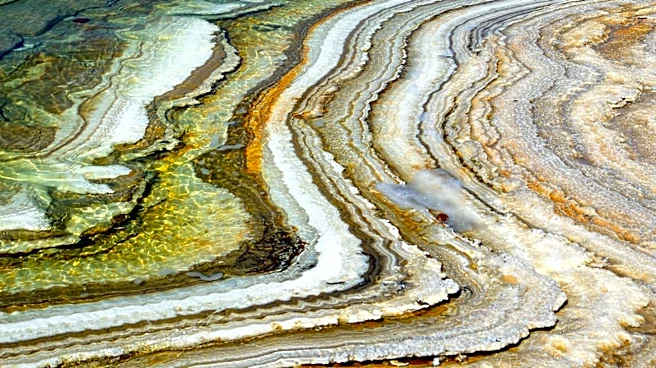
square kilometers today. This highly saline body of water, ten times saltier than most oceans, is a significant tourist attraction known for its unique buoyancy and mineral-rich properties. Despite its name, the Dead Sea supports microscopic organisms adapted to extreme salinity, including a micro alga called Dunaliella and various cyanobacteria, green sulfur bacteria, and 80 species of fungi on its seabed. The high concentration of salts and minerals has also fostered a wellness industry, offering mud baths and scrubs believed to alleviate conditions like arthritis, eczema, and psoriasis. However, the shrinking water levels pose a threat to this unique ecosystem and the surrounding environment.
Why It's Important?
The continuous decline in the Dead Sea's water levels has significant ecological and economic implications. Ecologically, the shrinking sea threatens the unique extremophile organisms that have adapted to its harsh conditions, potentially leading to a loss of biodiversity in this distinct environment. The Dead Sea is also part of the Jordan Rift Valley, a crucial migration route for numerous bird species, and changes to the ecosystem could impact these migratory patterns. Economically, the wellness and tourism industries, which rely heavily on the Dead Sea's mineral-rich waters and mud, face an uncertain future. The unique properties of Dead Sea salt are utilized in various skincare products, and the diminishing resource could affect these businesses. Furthermore, the environmental degradation of such a prominent natural wonder could deter tourism, impacting local economies that depend on visitors drawn to its unique characteristics and therapeutic benefits.
What's Next?
The ongoing decline of the Dead Sea necessitates urgent intervention to prevent further shrinkage and potential ecological collapse. While the source does not detail specific future actions, the continued annual drop of one meter suggests that without significant changes in water management and conservation efforts, the Dead Sea will continue to diminish. Potential next steps could involve international cooperation among the countries bordering the Dead Sea to implement water diversion strategies, reduce industrial water extraction from its tributaries, and explore sustainable solutions to replenish its water levels. The wellness industry, which leverages Dead Sea minerals, may need to adapt to a potentially scarcer resource, possibly leading to increased costs or a shift in sourcing. Continued scientific monitoring of the Dead Sea's ecosystem will be crucial to understand and mitigate the impacts on its unique flora and fauna.
Beyond the Headlines
The plight of the Dead Sea highlights broader global challenges related to water scarcity and the impact of human activities on natural resources. The historical use of Dead Sea salt by ancient Egyptians for embalming underscores its long-recognized preservative qualities, linking its current environmental crisis to a rich historical context. The shrinking of the Dead Sea serves as a stark reminder of how even seemingly vast natural wonders are vulnerable to environmental pressures. This situation could prompt a re-evaluation of water resource management policies in arid regions worldwide, emphasizing the need for sustainable practices to preserve unique ecosystems. The ethical implications of allowing such a significant natural and historical landmark to disappear also raise questions about environmental stewardship and intergenerational responsibility.