





What's Happening?
A powerful earthquake with a magnitude of 7.1 struck Japan's southern main island of Kyushu, leading to significant destruction and a rising death toll, which has reached 34. The earthquake has left thousands of survivors in southwestern Japan without
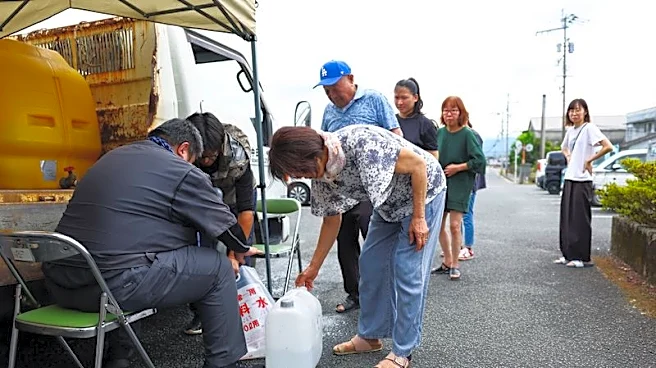
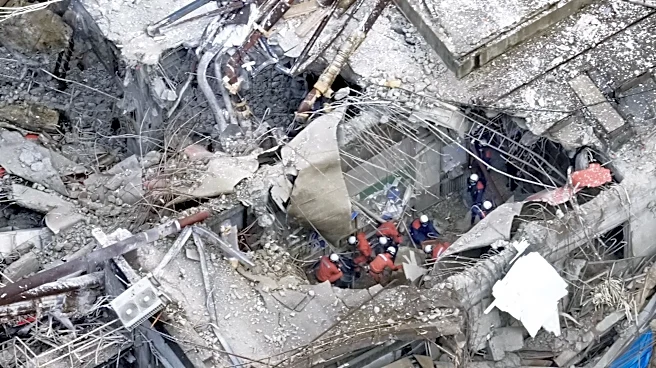
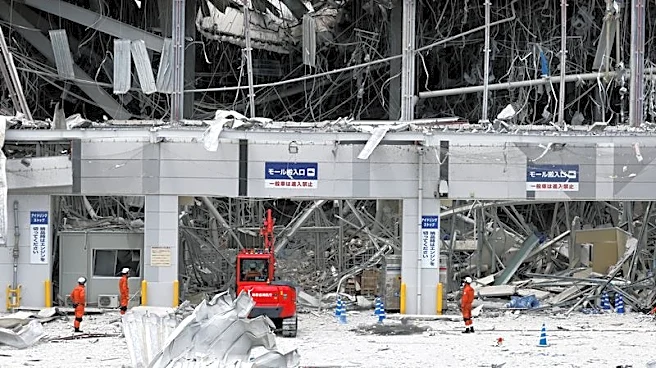
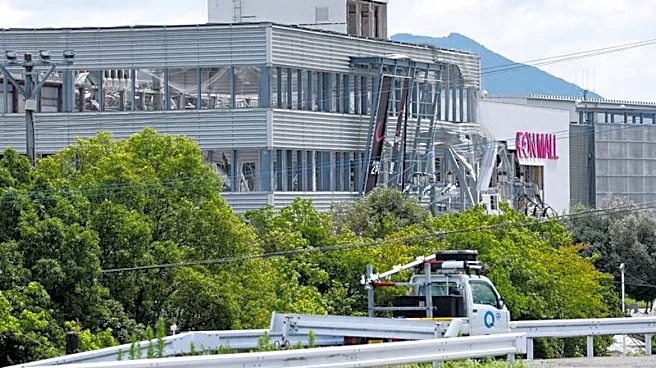
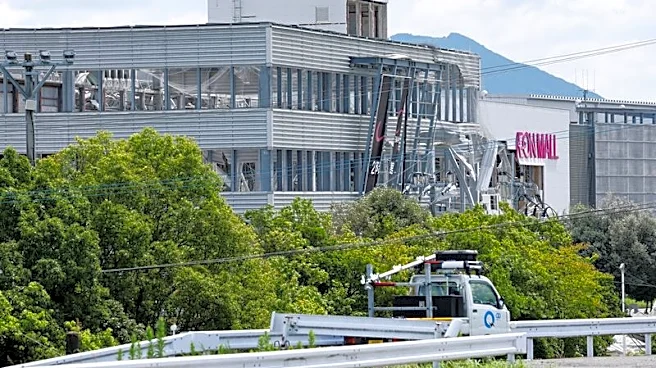
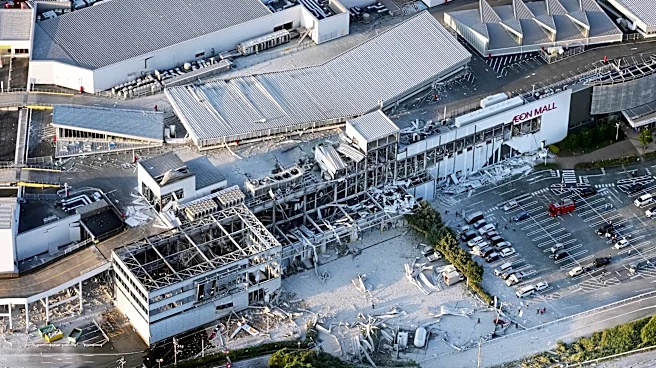
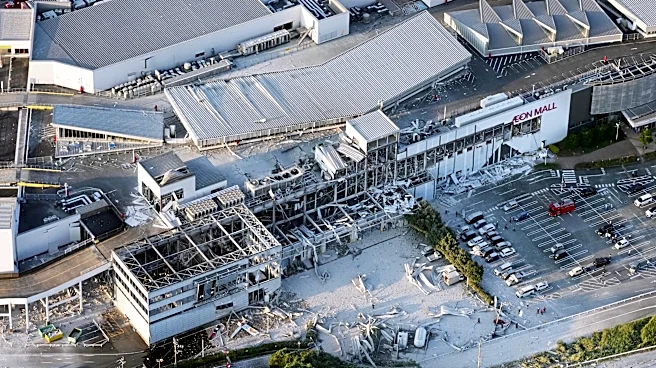
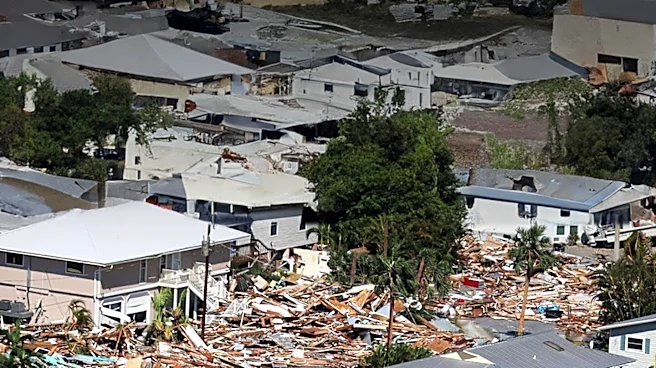
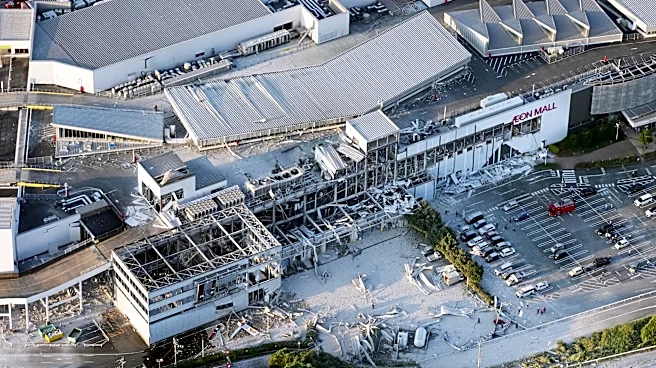
adequate shelter, forcing many to sleep in cars or crowded shelters. The disaster has caused severe shortages of water and fuel, exacerbated by sweltering summer temperatures. The Kumamoto prefectural government is working to restore essential services, with electricity now fully restored, but over 79,000 homes remain without water. The earthquake has also damaged more than 1,500 buildings, including 179 that were destroyed. Rescue operations continue as authorities race against time to find those still missing.
Why It's Important?
The earthquake's impact extends beyond immediate humanitarian concerns, as it threatens to disrupt industrial operations in Kumamoto, a major hub for semiconductor and auto-parts manufacturing. Companies like Taiwan Semiconductor Manufacturing Company have temporarily evacuated workers, raising concerns about potential supply chain disruptions. The disaster highlights the vulnerability of critical infrastructure to natural disasters and the challenges of maintaining industrial stability in such events. The situation underscores the need for robust disaster preparedness and response strategies to mitigate the impact on both local communities and global industries reliant on Japanese manufacturing.
What's Next?
Authorities are prioritizing the restoration of water supplies and the provision of temporary housing for displaced residents. The Japanese government, led by Prime Minister Sanae Takaichi, is coordinating with the military and other agencies to address the crisis. As rescue operations continue, the focus will also shift to rebuilding efforts and assessing the long-term impact on the region's industrial capabilities. The situation may prompt discussions on enhancing disaster resilience in industrial areas to prevent future disruptions.