

What's Happening?
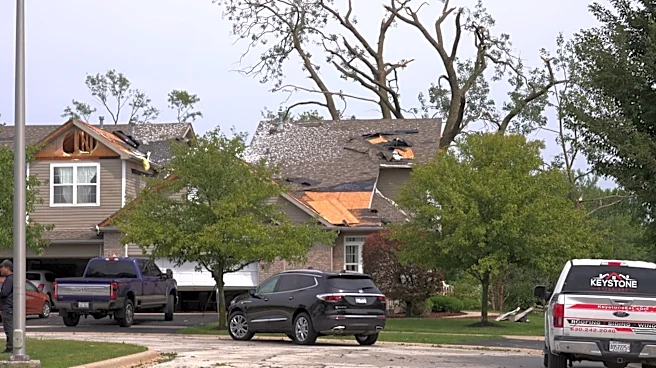
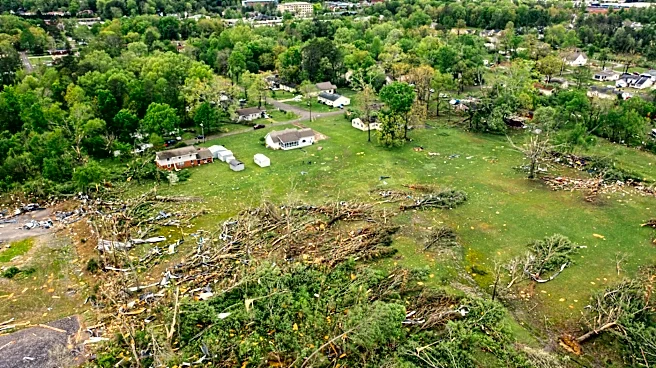
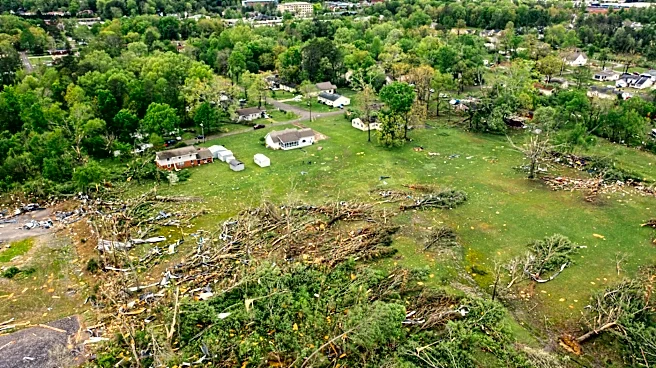
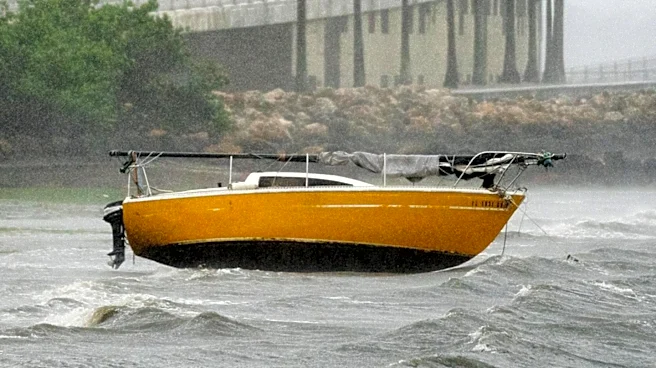
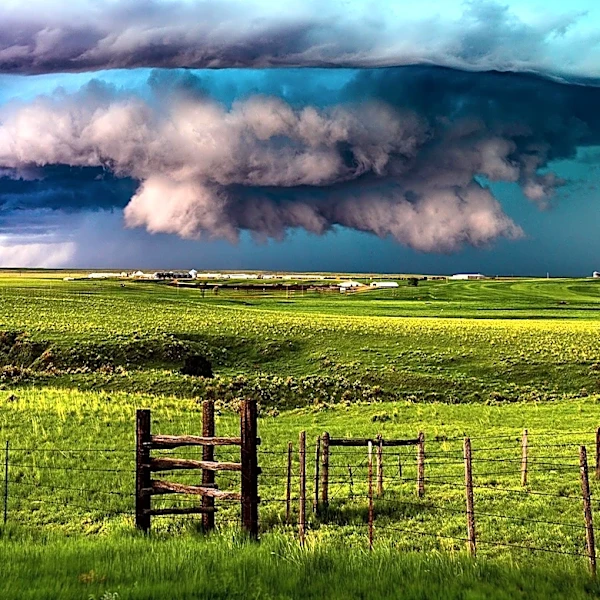
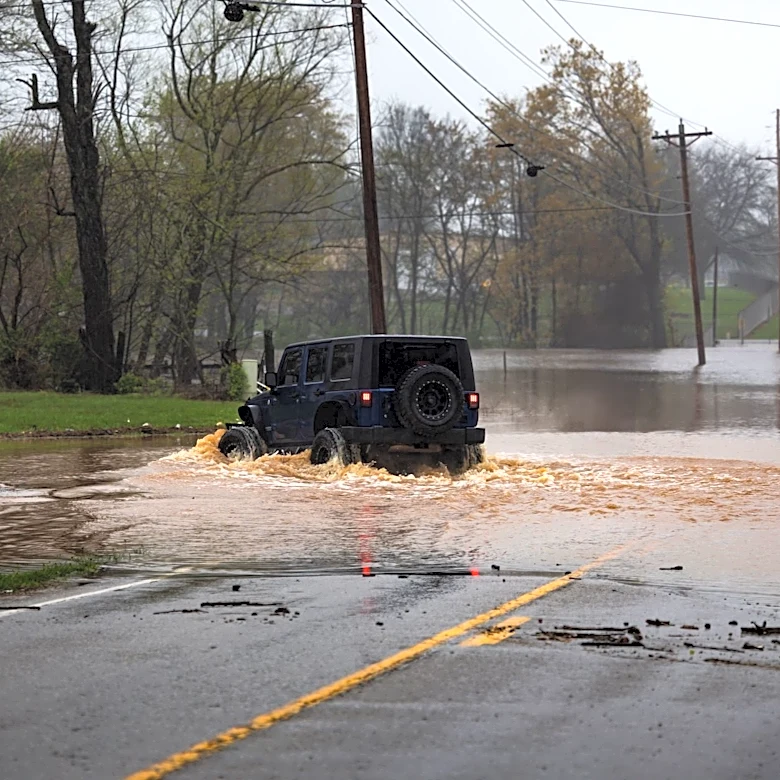
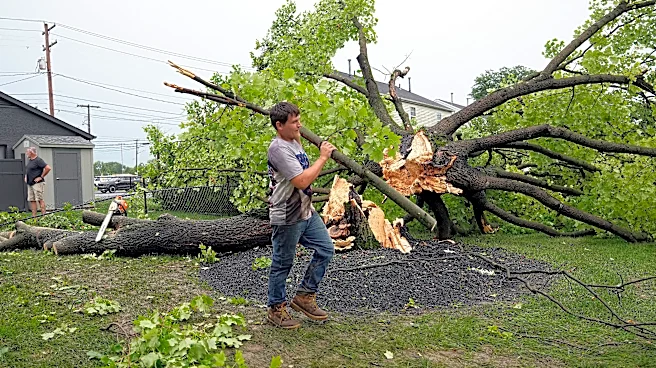
A severe storm swept through central Ohio, causing significant damage and resulting in at least one fatality. The storm, which included high winds and possible tornado activity, toppled trees, damaged buildings, and knocked out power to thousands of residents.
The National Weather Service reported wind gusts of up to 82 MPH at John Glenn Columbus International Airport. The storm caused widespread damage, including uprooted trees at Union Cemetery and structural damage to homes and businesses. Columbus Mayor Andrew Ginther described the devastation and noted that emergency shelters are being set up to assist affected residents.
Why It's Important?
The storm's impact on central Ohio highlights the vulnerability of infrastructure and communities to severe weather events. The widespread power outages and damage to homes and businesses underscore the need for robust emergency preparedness and response strategies. The fatality and extensive damage may prompt discussions on improving weather warning systems and infrastructure resilience. The economic impact on local businesses, such as Derive Brewing Company, which lost a batch of beer due to power outages, illustrates the broader economic consequences of such natural disasters.
What's Next?
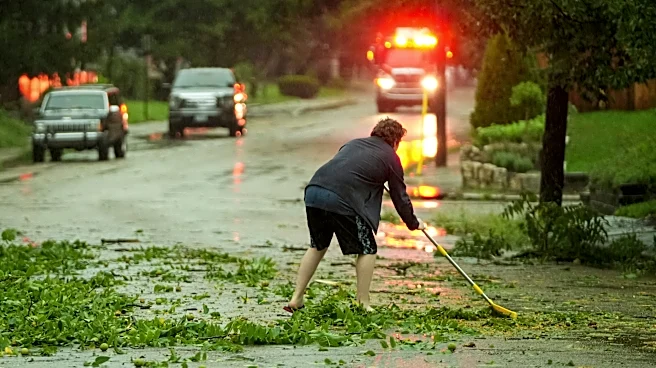
Efforts to restore power and clear debris are underway, with out-of-state crews arriving to assist. The National Weather Service may conduct surveys to confirm tornado activity. Columbus city officials are coordinating with the American Red Cross to provide emergency shelter and support to affected residents. The cleanup and recovery process is expected to take several days, with ongoing assessments of damage and needs. The storm may lead to policy discussions on improving emergency response and infrastructure resilience in the face of increasingly severe weather patterns.
Beyond the Headlines
The storm raises questions about the adequacy of current weather warning systems, as some residents reported not hearing tornado sirens. The event may prompt a review of emergency management protocols and the effectiveness of communication strategies during severe weather events. Additionally, the storm's impact on vulnerable populations, such as the homeless, highlights the need for targeted support and resources to ensure their safety during emergencies. The long-term implications for community resilience and adaptation to climate change may also be considered.