




What's Happening?
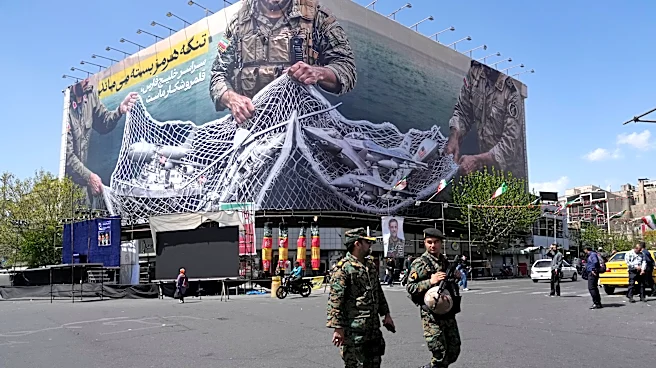
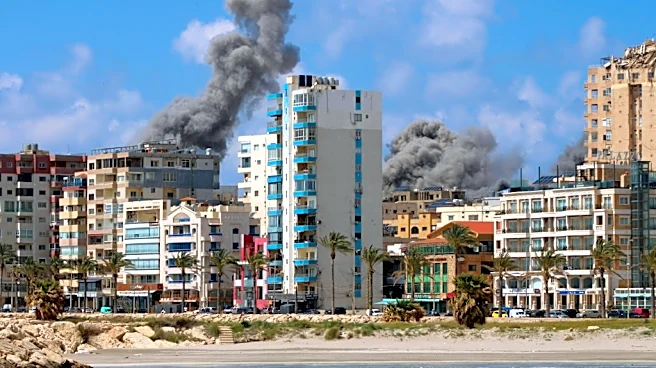
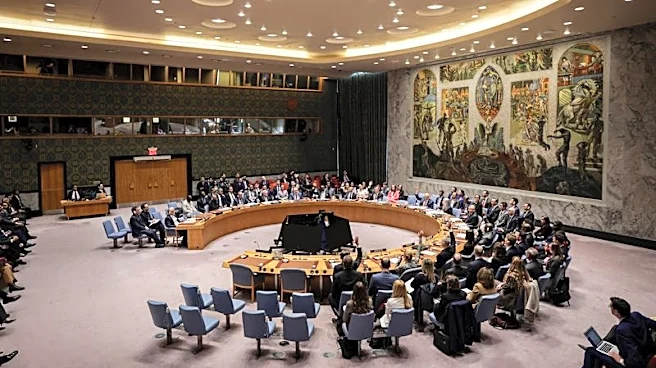
The United Nations' International Maritime Organization (IMO) has expressed concerns over a proposal by Iranian officials to impose a toll on ships passing through the Strait of Hormuz. This proposal follows a recent ceasefire agreement between the United States
and Tehran. The IMO spokesperson highlighted that there is no international agreement that permits the introduction of tolls for transiting international straits. According to the UN Convention on the Law of the Seas (UNCLOS), ships have the right of transit passage through international straits, and states bordering these straits should not impede or suspend this right.
Why It's Important?
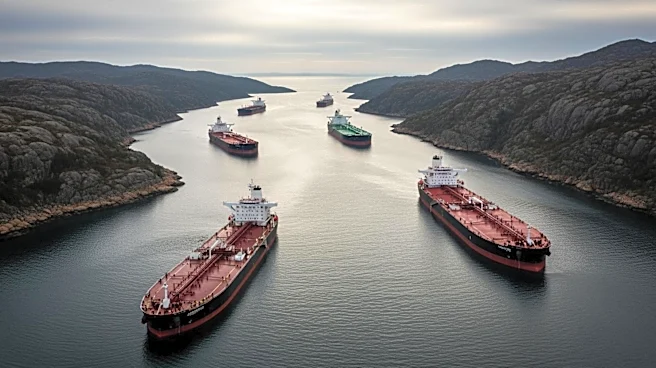
The Strait of Hormuz is a critical chokepoint for global oil transportation, with a significant portion of the world's petroleum passing through it. Imposing a toll could disrupt international shipping and trade, potentially leading to increased costs for oil and goods globally. Such a move could also set a precedent for other nations to impose similar tolls on international straits, affecting global maritime navigation rights and international trade laws. The proposal could escalate tensions in the region, impacting geopolitical stability and international relations.
What's Next?
If Iran proceeds with the toll, it could face diplomatic pushback from major maritime nations and international bodies. The IMO and other international organizations may engage in discussions to address the legality and implications of such a toll. Countries reliant on the Strait for oil transport might seek alternative routes or negotiate terms to mitigate the impact. The situation could also prompt a review of international maritime laws to prevent similar proposals in the future.