





What's Happening?
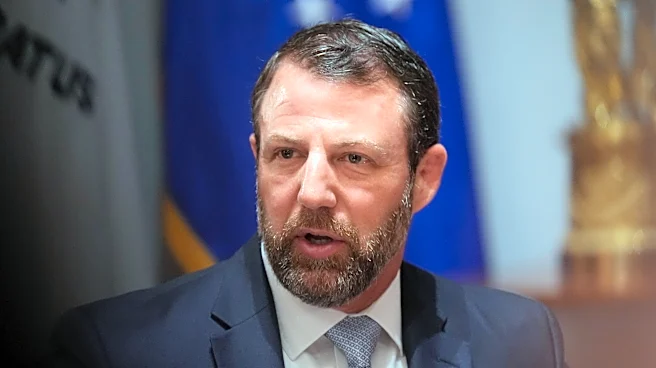
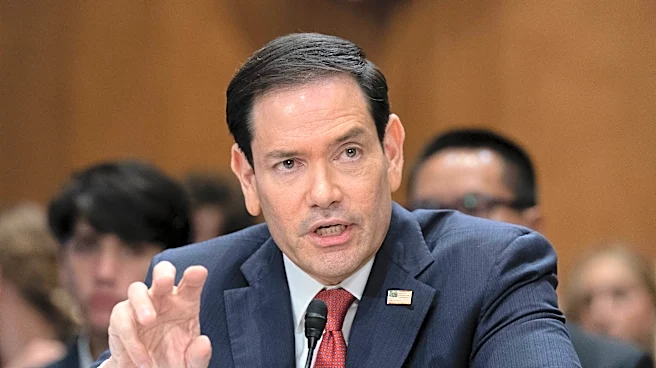
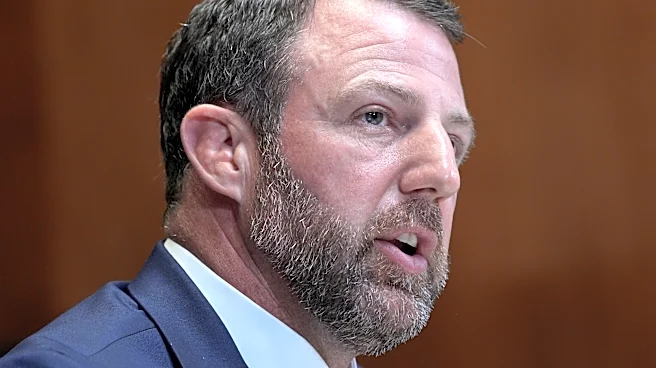
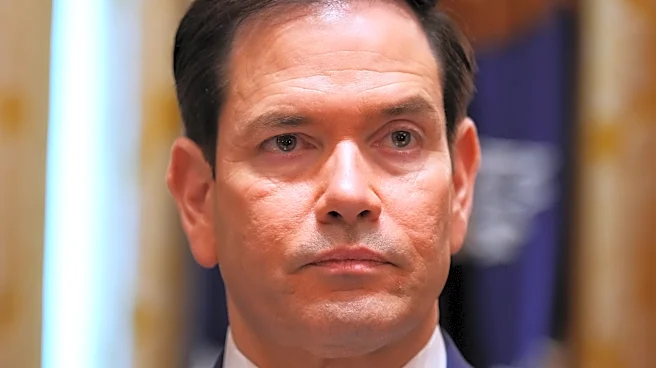
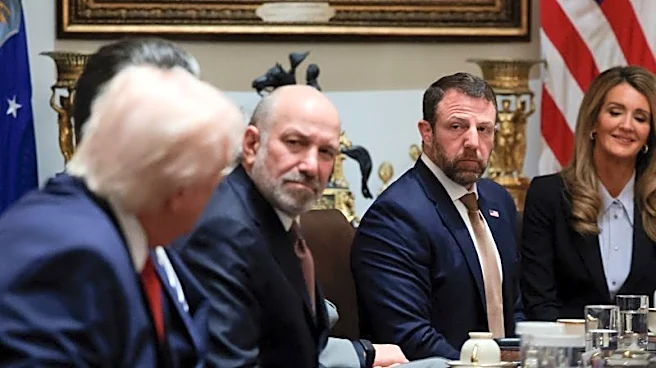
During a Senate Appropriations Committee hearing, GOP Senator Susan Collins questioned Homeland Security Secretary Markwayne Mullin about the Trump administration's $100,000 fee for H-1B visa applications. The fee, intended to tighten oversight of the high-skilled
worker program, has raised concerns about its impact on workforce shortages, particularly in rural healthcare settings. Collins highlighted the challenges faced by rural hospitals in recruiting essential medical staff due to the fee. Mullin noted that the fee accelerates application processing but acknowledged limited flexibility in granting waivers. The policy has sparked debate over its effects on industries reliant on foreign labor.
Why It's Important?
The $100,000 H-1B visa fee has significant implications for industries that depend on foreign workers, such as healthcare and technology. While the fee aims to prioritize American labor, it may exacerbate staffing shortages in critical sectors, particularly in underserved areas. The policy has prompted legal challenges and legislative proposals, reflecting broader debates over immigration and labor policies. The outcome of these discussions could influence the availability of skilled foreign workers and impact the U.S. economy, healthcare system, and technological innovation.
What's Next?
The fee remains in effect pending further court decisions, with ongoing legal challenges and legislative proposals seeking to address its impact. Lawmakers continue to debate the future of the H-1B program, with some advocating for reforms to ensure fair labor practices and others pushing for the elimination of the program. The resolution of these issues will shape the landscape of U.S. immigration and labor policies, affecting employers, workers, and industries reliant on foreign talent.