





What's Happening?
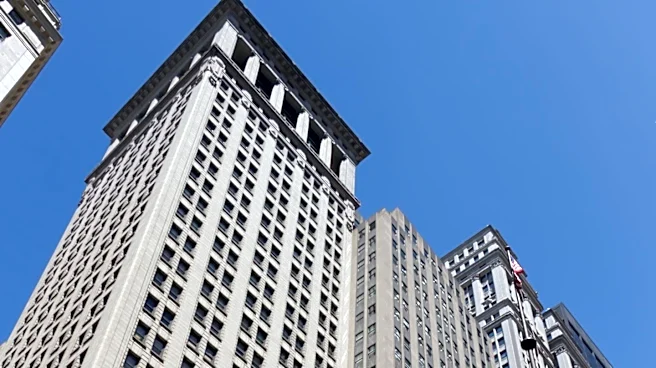
Lower Manhattan offers a rich tapestry of American Revolutionary history, with sites like Bowling Green, City Hall Park, and Fraunces Tavern playing pivotal roles. Bowling Green, the oldest public park in New York City, was the site of the 1776 toppling
of a statue of King George III, an act of defiance against British rule. City Hall Park was where George Washington ordered the Declaration of Independence to be read to troops. Fraunces Tavern, a hub for revolutionaries, still stands as a museum and restaurant. These sites, along with others like the African Burial Ground National Monument and Federal Hall, provide a tangible connection to the past, illustrating the city's role in the fight for independence.
Why It's Important?
These historical sites in Lower Manhattan are crucial for understanding the American Revolution's impact on New York City and the nation. They offer insights into the social and political dynamics of the era, highlighting the contributions of diverse groups, including African Americans and Native Americans. The preservation of these sites allows for educational opportunities and cultural enrichment, fostering a deeper appreciation of the nation's history. They also serve as a reminder of the struggles and triumphs that shaped the United States, making them valuable for both residents and visitors.
Beyond the Headlines
The historical significance of these sites extends beyond their immediate context, reflecting broader themes of resistance, identity, and nation-building. The African Burial Ground, for instance, underscores the contributions and sacrifices of African Americans in the city's development. The ongoing preservation efforts highlight the importance of maintaining historical narratives that include all voices. These sites also contribute to New York City's cultural tourism, attracting visitors interested in exploring the roots of American democracy and freedom.