


What's Happening?
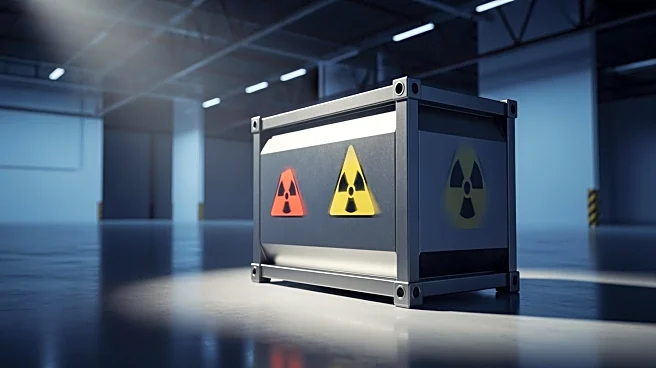
The Trump Administration is reportedly considering offering incentives to U.S. states to store nuclear waste as part of a broader strategy to expand the country's nuclear energy capacity. This plan aims to increase nuclear energy output from 100 gigawatts
in 2024 to 400 gigawatts by 2050, addressing the rising electricity demand driven by AI, data centers, and manufacturing. However, the U.S. Energy Department has denied any decisions have been made, despite reports suggesting that states could be invited to express interest soon. The initiative is part of a larger effort to revitalize the nuclear sector, including investments in domestic uranium enrichment and small modular reactors.
Why It's Important?
This development is significant as it highlights the administration's commitment to nuclear energy as a key component of the U.S. energy strategy. The potential expansion could have substantial implications for energy policy, environmental management, and state economies. States agreeing to store nuclear waste might benefit economically but could face environmental and political challenges. The plan also underscores the administration's focus on energy independence and technological advancement, which could influence future energy policies and international energy dynamics.
What's Next?
If the proposal moves forward, states will need to weigh the economic benefits against potential environmental and political risks. The Energy Department's denial of finalized plans suggests ongoing deliberations, and stakeholder reactions, including from environmental groups and state governments, will be crucial. The administration's broader nuclear strategy will likely continue to evolve, with potential impacts on regulatory frameworks and energy market dynamics.