







What's Happening?
Iran's top negotiator, Mohammad-Bagher Ghalibaf, has expressed skepticism about U.S. guarantees in ongoing negotiations, stating that Iran will judge by actions rather than words. This statement comes amid discussions to extend a ceasefire and lift restrictions
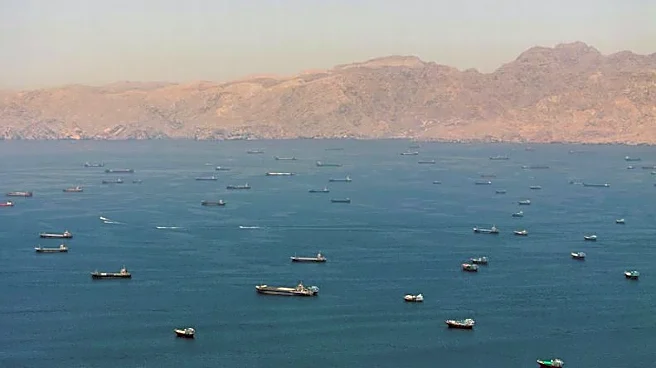
on the Strait of Hormuz. While a memorandum of understanding has been proposed, it has not been finalized, and President Trump has yet to approve it. The proposed agreement would last 60 days and initiate talks on Iran's nuclear program. Iranian Foreign Minister Abbas Araghchi has also engaged in discussions with Oman regarding the Strait's administration, highlighting regional cooperation.
Why It's Important?
Ghalibaf's comments underscore the deep-seated mistrust between Iran and the U.S., complicating diplomatic efforts. The focus on actions rather than promises reflects Iran's cautious approach to international agreements, particularly with the U.S. The outcome of these negotiations could influence Iran's regional strategy and its relations with neighboring countries. For the U.S., securing a deal that addresses both security and economic concerns is vital for maintaining influence in the Middle East. The negotiations also have implications for global oil markets, given the strategic importance of the Strait of Hormuz.
What's Next?
The next steps involve potential approval of the memorandum by President Trump and further negotiations on a comprehensive agreement. Iran's insistence on action-based commitments may lead to more stringent verification measures in any final deal. Regional players like Oman could play a crucial role in facilitating dialogue and ensuring compliance. The international community will be watching closely, as the success or failure of these talks could set the tone for future U.S.-Iran relations and impact global geopolitical stability.