








What's Happening?
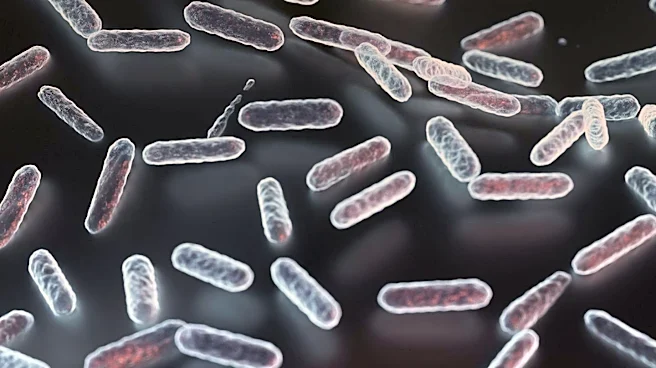
Emerging research indicates a significant link between social connections and gut health, with studies suggesting that close relationships can influence the composition and diversity of an individual's gut microbiome. A landmark 2024 study published in Nature
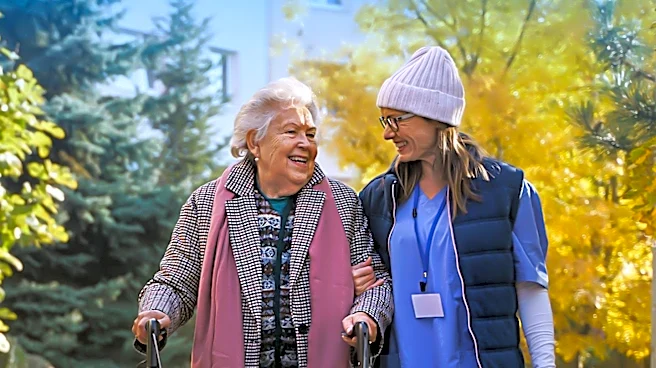
found that individuals reporting strong social ties tended to have more diverse gut microbiomes compared to those with fewer social connections. This phenomenon extends to shared living environments, where spouses and cohabiting partners often exhibit more similar gut bacteria, even when accounting for genetic factors. This similarity is attributed to shared meals, environments, and physical intimacy, which facilitate microbial exchange. Conversely, loneliness and social isolation are linked to negative impacts on gut health, including reduced microbial diversity, increased inflammation, and altered gut bacteria composition, particularly in older adults. The mechanisms behind these connections involve stress regulation through the HPA axis, direct microbial exchange, shared dietary habits, and the gut-brain axis, which influences neurotransmitter production and immune function.
Why It's Important?
The connection between social interaction and gut health has broad implications for public health and individual well-being in the U.S. Understanding this link can inform new approaches to health promotion, emphasizing the importance of social support networks alongside traditional dietary and lifestyle recommendations. For instance, promoting communal eating or group activities that combine social interaction with gut-healthy behaviors could offer synergistic benefits. The findings highlight that social isolation, a growing concern in modern society, may have tangible physiological consequences beyond mental health, contributing to chronic inflammation and other health issues. This could lead to a re-evaluation of how healthcare providers address holistic health, potentially integrating social prescribing into treatment plans. Furthermore, the research underscores the complexity of the gut microbiome, revealing that its health is not solely dependent on diet and exercise but also on an individual's social environment, affecting overall resilience and metabolic function.
What's Next?
Future research will likely focus on longitudinal and intervention studies to establish clearer causal relationships between social connections and gut health. This will involve tracking individuals over time as their social circumstances change and conducting randomized trials to measure microbiome outcomes after social interventions. Researchers will also investigate diverse populations to understand how social microbiome dynamics vary across different cultural, age, and socioeconomic groups. Mechanistic studies will delve deeper into stress pathways, microbial exchange, and gut-brain communication to clarify how relationships precisely affect gut bacteria. The insights gained could lead to personalized health recommendations that consider an individual's social environment. While microbiome testing can provide a snapshot of current bacterial composition, it is not yet a diagnostic tool for medical conditions, and its role in guiding social interventions for gut health remains to be fully explored.
Beyond the Headlines
The concept of a 'social microbiome' suggests that human microbial ecosystems are not isolated but are constantly influenced by social interactions and shared environments. This perspective challenges the traditional view of individual health, emphasizing the interconnectedness of human biology and social structures. The ethical implications of microbial exchange, particularly in intimate relationships, could become a topic of discussion, though current understanding suggests most shared microbes are commensal and potentially beneficial. The findings also highlight the profound impact of stress on the gut, with social support acting as a buffer against chronic stress and its detrimental effects on the microbiome. This deeper understanding could foster a societal shift towards valuing and investing in community building and social support systems as fundamental components of public health, moving beyond purely individualistic health interventions to embrace a more communal approach to well-being.