






What's Happening?
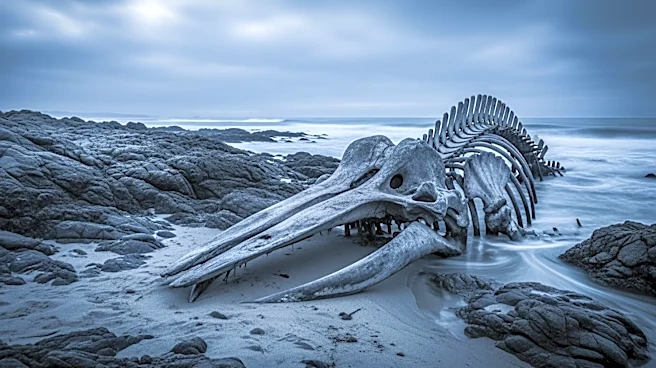
A sperm whale carcass was towed from Era Beach to Bellambi boat ramp in Wollongong, Australia, leading to increased shark activity and public safety concerns. The operation, managed by the National Parks and Wildlife Service (NPWS), involved towing the decomposing
whale over 20 kilometers. Greens councillor Jess Whittaker criticized the operation for poor communication and lack of public warnings, which left fishers and beachgoers unaware of the potential dangers. The NPWS stated that towing the carcass out to sea was not feasible due to shipping hazards. The operation has prompted calls for a government review to address communication failures and improve future handling of similar situations.
Why It's Important?
The incident highlights the challenges of managing large marine carcasses and the importance of effective communication in public safety operations. The lack of warnings about increased shark activity posed significant risks to the community, emphasizing the need for coordinated efforts between government agencies and local authorities. The situation also raises cultural and environmental concerns, as whales hold significant importance in Indigenous cultures. Addressing these issues is crucial for maintaining public trust and ensuring the respectful treatment of marine life.
What's Next?
A government review is expected to examine the operation's communication strategies and equipment used. The review will likely involve collaboration with all agencies involved to develop better protocols for future incidents. The outcome may lead to improved guidelines for handling marine carcasses, ensuring public safety and cultural sensitivity. Additionally, the review could influence policy changes regarding the management of marine life and environmental conservation efforts.