






What's Happening?
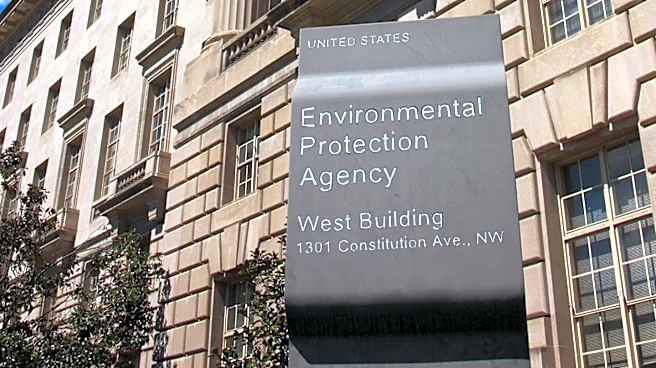
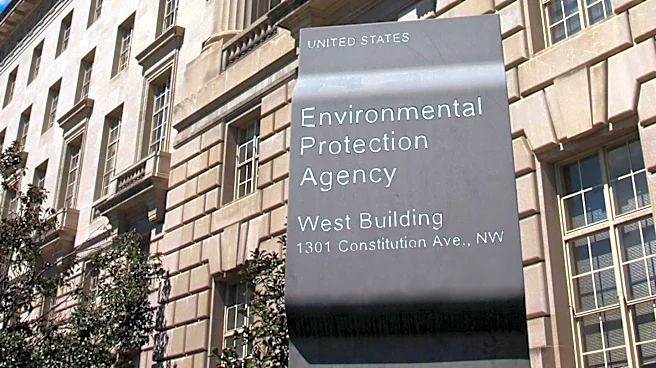
The U.S. Environmental Protection Agency (EPA) submitted its final rule, “Procedures for Chemical Risk Evaluation Under the Toxic Substances Control Act (TSCA),” to the Office of Management and Budget’s (OMB) Office of Information and Regulatory Affairs
(OIRA) for review on November 4, 2026. This action follows the Fifth Circuit’s September 2026 decision in East Fork Enterprises, Inc. v. EPA. The rule is expected to codify key aspects of the East Fork decision into EPA’s regulations for evaluating existing chemicals. Specifically, it will finalize changes proposed in September 2025, including returning to separate risk determinations for each condition of use and revising how EPA considers occupational exposure controls in risk evaluations. The Fifth Circuit's ruling rejected EPA's previous 'whole chemical' approach and challenged assumptions about worker personal protective equipment use.
Why It's Important?
This revision is significant for industries dealing with chemical manufacturing and use, as it aims to provide a more settled and legally compliant framework for TSCA risk evaluations. By aligning EPA's procedures with the Fifth Circuit's interpretation, the rule seeks to offer greater clarity and certainty for businesses. The shift to separate risk determinations for each condition of use means that specific applications of chemicals will be assessed individually, potentially leading to more nuanced regulatory outcomes. Furthermore, the revised approach to occupational exposure controls could impact how companies implement safety measures and assess workplace risks, potentially influencing compliance costs and operational practices across various sectors that handle regulated chemicals.
What's Next?
The rule is currently pending review by OIRA, which typically has up to 90 days for this process, though it can be adjusted. During this period, interested stakeholders have the opportunity to request meetings with OIRA to present their perspectives on the rule. Companies that support the EPA’s proposed changes are encouraged to engage with OIRA to explain how these revisions could create a more workable risk evaluation framework and ensure EPA’s procedures align with the Fifth Circuit’s interpretation of TSCA. Once finalized, this rule will replace the 2024 procedures, aiming to resolve conflicts with the East Fork decision and establish a more consistent approach to chemical risk assessment.
Beyond the Headlines
The legal challenge and subsequent EPA response highlight the ongoing tension between regulatory agencies and industry over the interpretation and implementation of environmental laws. The Fifth Circuit's decision underscores the judiciary's role in shaping regulatory policy, particularly concerning the specificity of risk assessments. This development could set a precedent for how other environmental regulations are challenged and revised, emphasizing the need for agencies to demonstrate a clear, legally sound basis for their methodologies. The focus on 'condition of use' and occupational exposure controls reflects a broader trend towards more granular and evidence-based risk management in environmental protection, potentially influencing future regulatory approaches beyond TSCA.