



What's Happening?
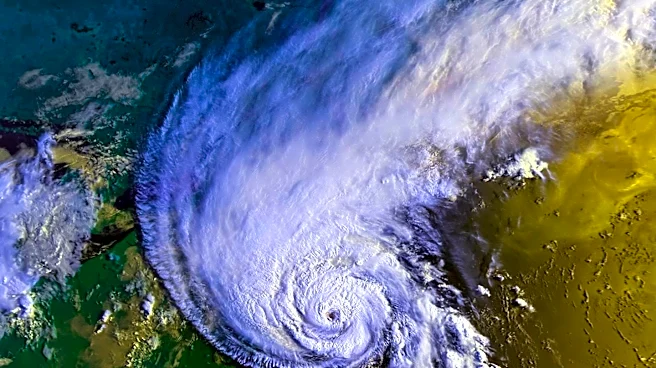
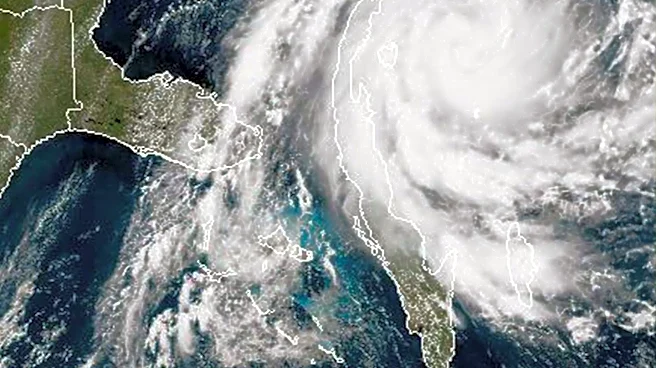
Portugal has declared a nationwide State of Alert (Situação de Alerta) for Wednesday, November 11, 2026, in anticipation of Storm Charles, a severe Atlantic weather event. The National Emergency and Civil Protection Authority (ANEPC) has elevated its
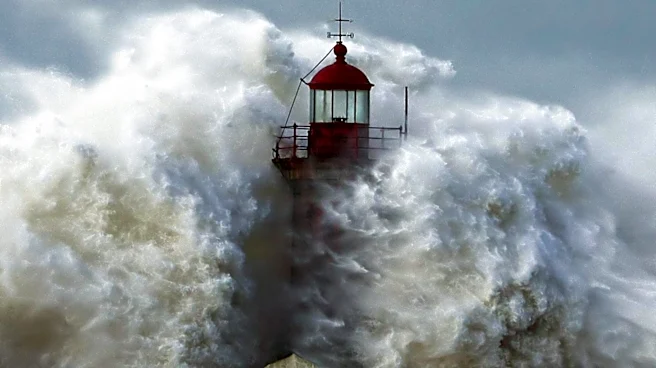
operational readiness to Level 4, the highest response level. The Portuguese Institute for Sea and Atmosphere (IPMA) has issued a Red Warning, the highest alert level, for eight districts, including Lisbon and Faro, forecasting destructive wind gusts of 100 to 120 km/h, potentially peaking at 140 km/h in exposed areas. Orange Warnings are also active for persistent, heavy downpours, and marine conditions are expected to be extremely rough with waves between 5 and 7 meters. In response, the Ministry of Internal Administration has mandated the closure of all schools, universities, and educational institutions nationwide. Non-essential public services, municipal tunnels, cultural venues, and sports complexes in major urban centers like Lisbon are also shut. The government has urged public and private employers to facilitate teleworking and advised residents to stay home and avoid unnecessary travel.
Why It's Important?
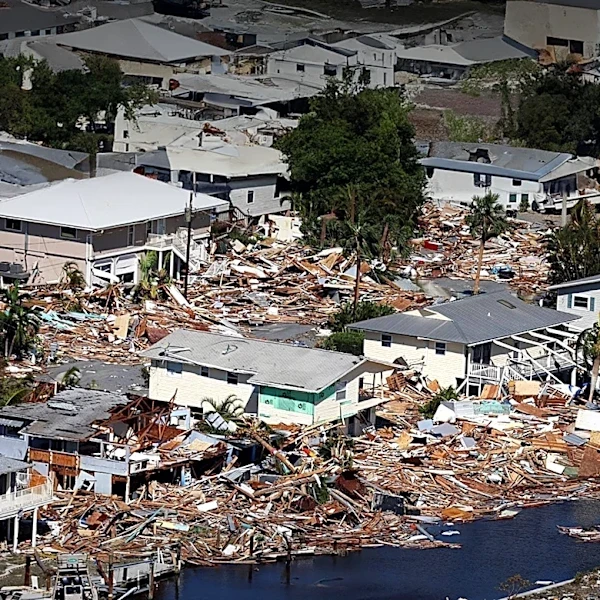
This widespread declaration of a State of Alert and the accompanying closures underscore the significant threat posed by Storm Charles to public safety and infrastructure across Portugal. The proactive measures, including the unprecedented nationwide closure of schools, reflect a heightened governmental response to severe weather, aiming to minimize casualties and damage. The economic impact is substantial, with disruptions to education, public services, and daily commerce. For industries, particularly those reliant on transportation and public access, the closures will result in immediate operational halts and potential financial losses. The emphasis on teleworking highlights a growing reliance on flexible work arrangements to maintain some level of productivity during crises. This event serves as a critical test of Portugal's emergency preparedness and resilience against extreme weather, with potential long-term implications for urban planning, infrastructure development, and public safety policies.
What's Next?
The State of Alert is scheduled to run from 00:00 to 23:59 on Wednesday, November 11. Authorities will continue to monitor the storm's trajectory and intensity, with decisions on reopening schools and services dependent on the post-storm assessment of safety and damage. The Portuguese government will likely evaluate the effectiveness of its emergency response and communication strategies. Residents are advised to stay informed through official announcements and adhere to safety precautions, such as securing outdoor items, clearing drains, and avoiding coastal areas. Bridge restrictions may be implemented if wind speeds reach critical thresholds. The focus will shift to recovery efforts and assessing the full extent of the storm's impact on infrastructure and communities once the immediate threat has passed. This event could lead to further investments in climate resilience and early warning systems.
Beyond the Headlines
The comprehensive nature of Portugal's response to Storm Charles, including the closure of all schools and non-essential services, signifies a potential paradigm shift in how nations address impending natural disasters. This level of pre-emptive action, particularly the nationwide school closure, is a rare occurrence and reflects a growing understanding of the potential for catastrophic damage and loss of life if such events are underestimated. It raises questions about the balance between economic activity and public safety, and how societies can adapt to more frequent and intense weather phenomena. The incident could also influence international cooperation in disaster preparedness and climate change adaptation strategies, as countries learn from each other's responses. Furthermore, the emphasis on individual preparedness, such as securing homes and avoiding floodwaters, highlights the critical role of public engagement and responsibility in mitigating the impacts of severe weather.