
What's Happening?
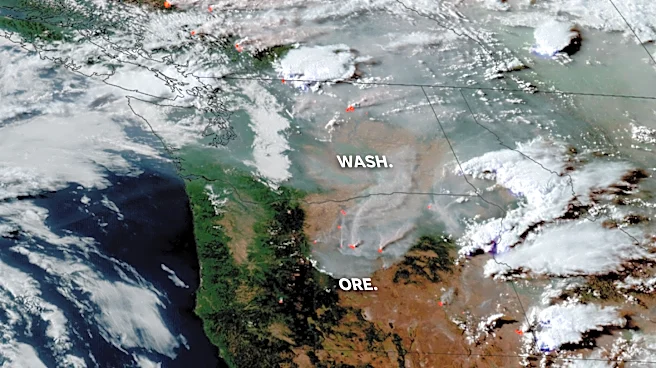
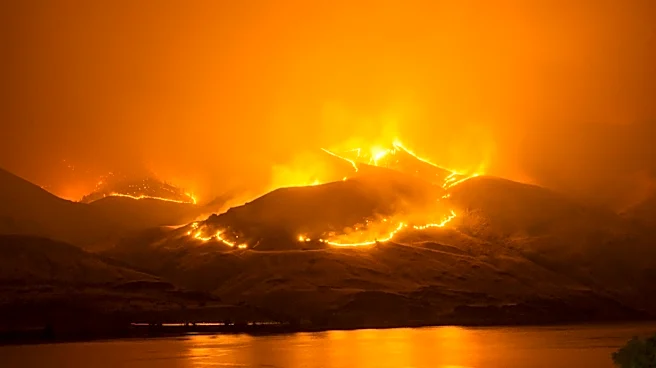
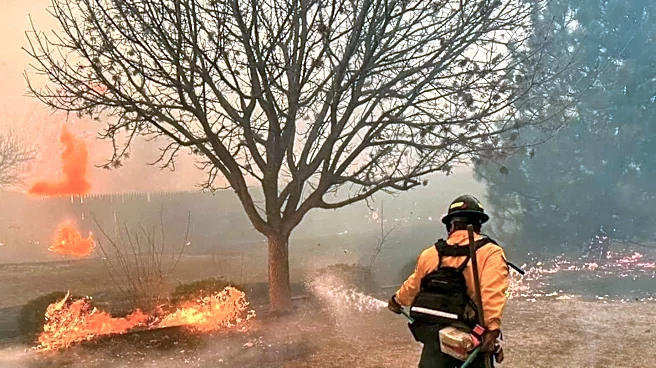
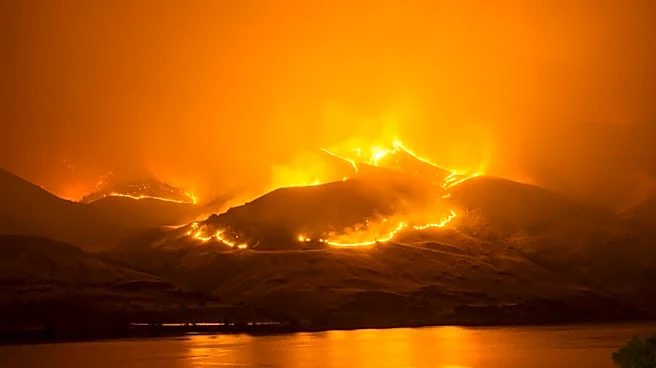
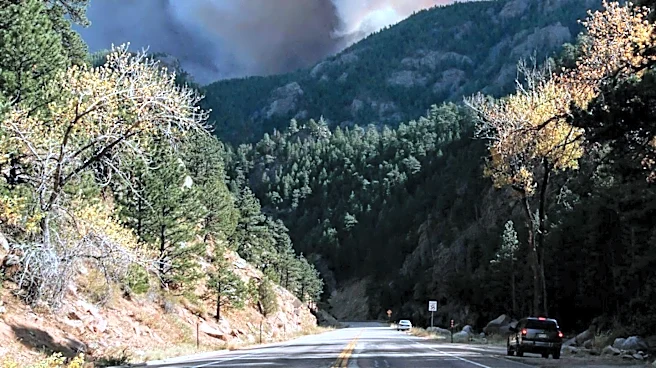
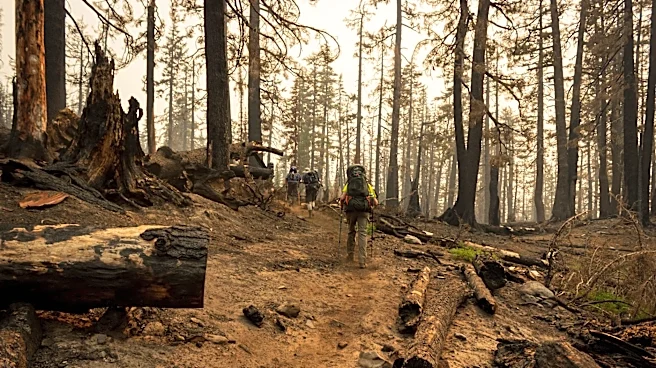
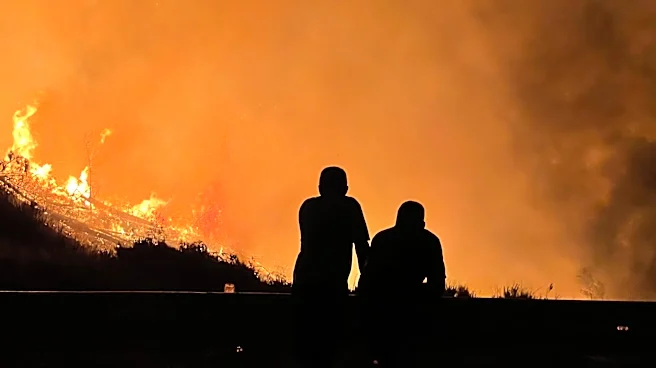
Smoke from numerous wildfires in the Northwest is expected to affect air quality in Seattle, Portland, and other cities in the region. The fires, primarily burning in eastern Oregon and Washington, have already destroyed hundreds of homes and businesses.
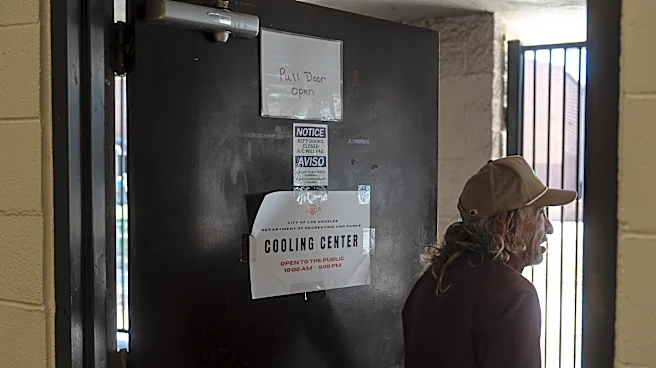
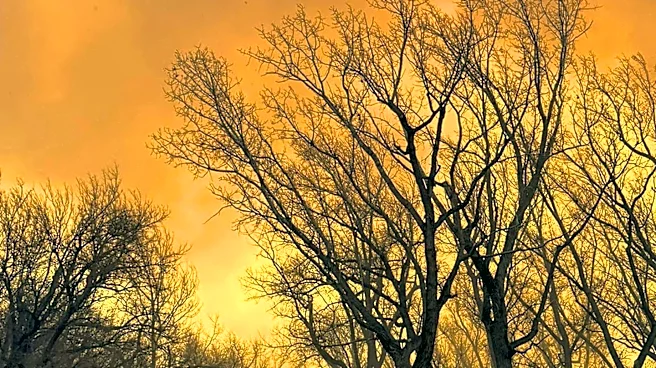
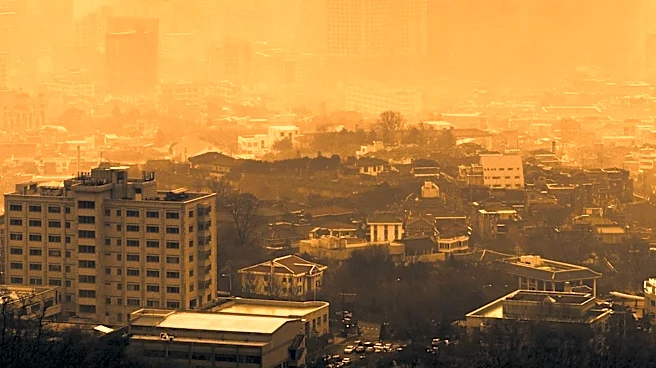
Changing wind patterns are expected to carry smoke into western parts of these states, including major urban areas along the Interstate 5 corridor. The smoke is anticipated to linger for several days, potentially exacerbating health issues for residents. The situation is compounded by record heat, with temperatures expected to reach 90 degrees in Seattle and 100 in Portland.
Why It's Important?
The influx of wildfire smoke poses significant health risks, particularly for vulnerable populations such as those with respiratory conditions, the elderly, and children. The combination of poor air quality and high temperatures can lead to increased hospital visits and strain on healthcare resources. This situation underscores the broader impacts of climate change, as rising temperatures and prolonged dry conditions contribute to more frequent and severe wildfires. The event highlights the need for effective emergency response plans and public health advisories to mitigate the effects on affected communities.
What's Next?
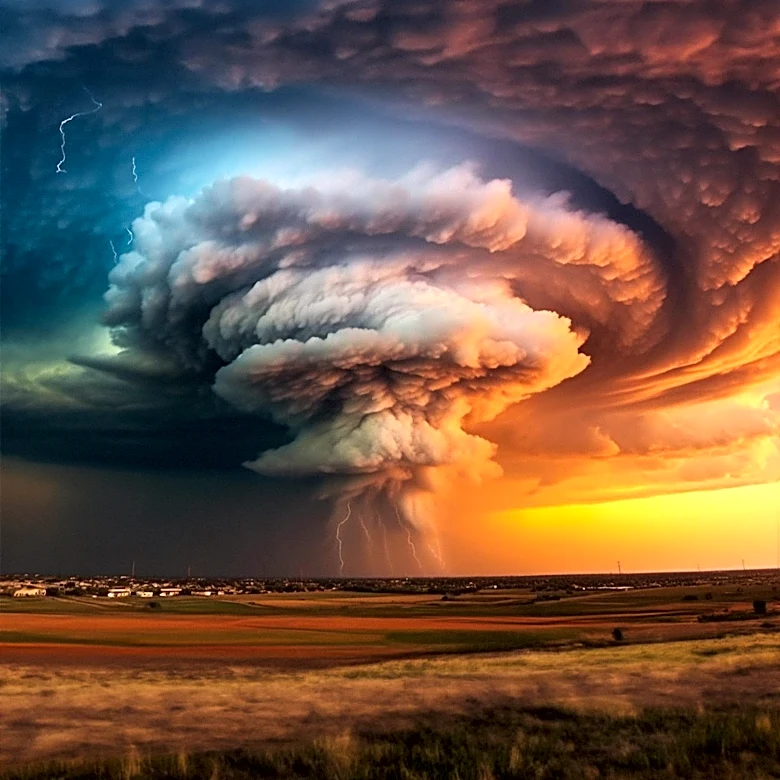
Residents are advised to monitor air quality forecasts and limit outdoor activities, especially during periods of high smoke concentration. Local authorities may issue health advisories and provide resources for those affected by the smoke. Efforts to combat the wildfires will continue, with potential for weather changes, such as monsoon thunderstorms, to provide some relief. However, these storms could also pose risks of flash flooding in recently burned areas. The situation may prompt discussions on long-term strategies for wildfire management and climate adaptation.