





What's Happening?
On May 31, 2026, thousands of Jewish and Israeli Americans participated in the annual Israel Day Parade in New York City, recognized as the world's largest pro-Israel parade. The event took place under heightened security measures, with hundreds of police
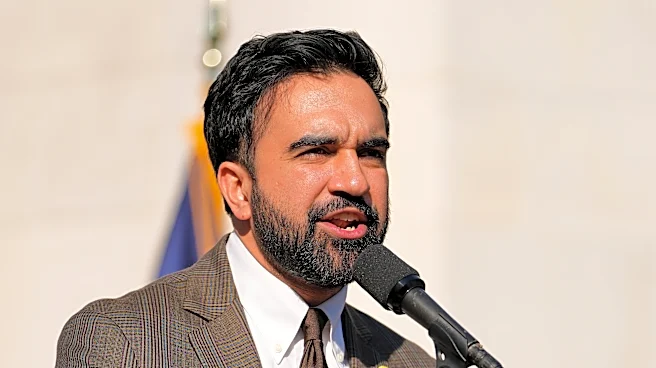
officers, K-9 units, and undercover officers patrolling the parade route along 5th Avenue. Notably, New York City Mayor Zohran Mamdani did not attend the parade, marking a departure from recent tradition where the city's mayor typically participates. The parade occurred amidst ongoing conflict between Israel and Hamas, adding a layer of tension to the event. Former New York City Mayor Eric Adams and New York Attorney General Letitia James were among the notable attendees. The parade featured participants waving U.S. and Israeli flags, and it was closely monitored by the New York Police Department to ensure safety.
Why It's Important?
The Israel Day Parade is a significant cultural and political event for the Jewish and Israeli communities in the United States, serving as a platform for expressing solidarity with Israel. The heightened security measures reflect the ongoing geopolitical tensions and the need for vigilance in public gatherings. The absence of Mayor Zohran Mamdani could be interpreted as a political statement or a response to the current conflict, highlighting the complex dynamics between local politics and international issues. The participation of high-profile figures like former Mayor Eric Adams and Attorney General Letitia James underscores the parade's importance in New York City's political and cultural landscape. The event also serves as a reminder of the diverse cultural fabric of New York City and the role of public events in fostering community identity and solidarity.
What's Next?
The ongoing conflict between Israel and Hamas may continue to influence public events and political stances in the U.S., particularly in cities with large Jewish populations like New York. Future parades and public gatherings may see similar security measures as organizers and authorities prioritize safety. The political implications of Mayor Mamdani's absence could lead to discussions or debates within the city's political circles, potentially affecting future engagements with cultural events. Additionally, the parade's success in terms of safety and participation could set a precedent for how similar events are managed in the future, balancing cultural expression with security concerns.