






What's Happening?
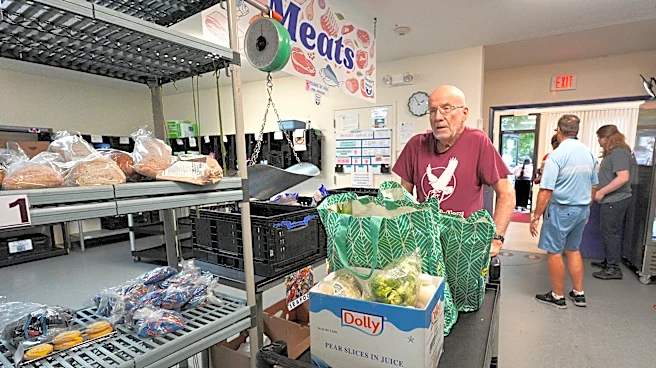
Catholic Charities Diocese of Arlington (CCDA) has announced the closure of its Alexandria Food Pantry, effective October 22, 2026. The closure is necessitated by the redevelopment of the property where the pantry is located, by its owner. Despite the closure,
CCDA is actively implementing a structured transition plan to ensure that individuals and families currently served by the pantry continue to have access to food assistance. This plan involves working with community partners to minimize service disruptions and connect clients with alternative food resources. Agreements have been established with organizations such as Capital Area Food Bank and ALIVE! to redirect food previously distributed through the Alexandria Food Pantry, aiming to strengthen access to food assistance within the local community. Catholic Charities is also in the process of establishing agreements with additional local food pantries to further support this transition. Stephen Carattini, CEO of Catholic Charities Diocese of Arlington, affirmed the organization's unwavering commitment to serving those in need, expressing gratitude for the dedicated staff and volunteers who have supported the pantry.
Why It's Important?
The closure of the Alexandria Food Pantry, while due to external circumstances, highlights the ongoing vulnerability of essential community services to urban development and property changes. Food pantries are critical lifelines for many low-income families and individuals, providing immediate relief from food insecurity. The proactive transition plan by Catholic Charities Diocese of Arlington is crucial to prevent a gap in services that could severely impact vulnerable populations. By redirecting resources and establishing new partnerships, CCDA is attempting to mitigate the negative consequences of the closure, ensuring that the community's most pressing needs for food assistance continue to be met. This situation also underscores the importance of a robust network of community organizations and the need for flexibility and adaptability in social service provision. The continued commitment of Catholic Charities, even in the face of operational challenges, demonstrates the vital role faith-based organizations play in maintaining social welfare and stability within local communities.
What's Next?
Catholic Charities Diocese of Arlington will maintain operations at its Alexandria Food Pantry until October 22, 2026. During this period, the organization will work closely with current pantry clients to connect them with nearby food assistance resources, including providing an Alexandria Food Pantry Resource Guide. The established agreements with Capital Area Food Bank and ALIVE! will facilitate the redirection of food supplies, and further agreements with additional local food pantries are expected to be finalized. Stephen Carattini, CEO of Catholic Charities Diocese of Arlington, has stated that the organization will continue to provide food to families through its existing network of trusted parish and community partners. The focus will be on ensuring a seamless transition for those who rely on these services, minimizing any disruption to their access to essential food support.
Beyond the Headlines
The closure of the Alexandria Food Pantry, driven by property redevelopment, reflects a broader tension between urban growth and the preservation of essential social services in rapidly developing areas. As communities evolve, the physical spaces occupied by non-profits, particularly those serving vulnerable populations, can become subject to market forces, leading to displacement or disruption. This incident highlights the need for urban planning and development strategies to consider the social infrastructure that supports community well-being, not just economic growth. It also underscores the resilience and adaptability of charitable organizations like Catholic Charities, which must constantly innovate and forge new partnerships to continue their mission in changing environments. The reliance on a network of community partners and the redirection of resources illustrate a collaborative model of social support, where various entities work together to address complex societal needs, even when faced with unforeseen challenges. This event serves as a reminder that access to basic necessities like food is a continuous challenge for many, requiring ongoing vigilance and support from both the public and private sectors.