







What's Happening?
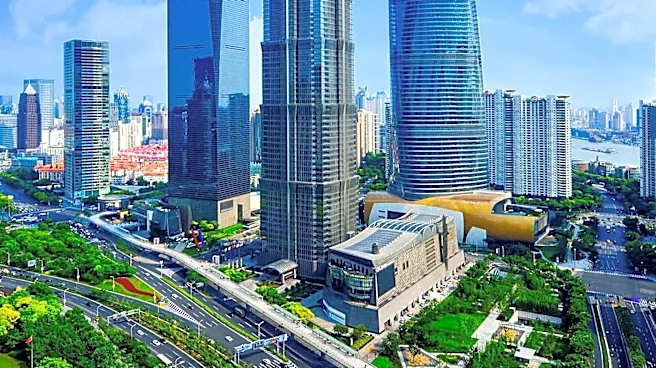
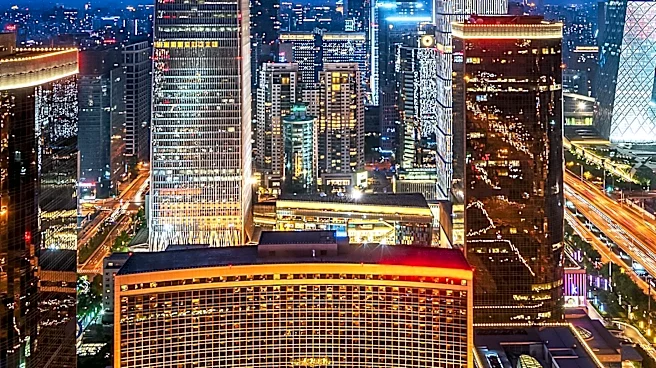
A recent analysis by Oliver Wyman highlights Asia's emergence as a new center of global economic growth, challenging traditional Western strongholds. The study ranks 1,500 cities worldwide, with Asian cities like Tokyo, Seoul, Shanghai, and Beijing leading
in business advancement potential. The report notes that multinational companies are increasingly expanding into these dynamic markets to build long-term resilience. The analysis evaluates cities based on commercial vibrancy, technological innovation, and connectivity, revealing a shift in economic power towards the Eastern hemisphere.
Why It's Important?
The rise of Asian cities as economic powerhouses signifies a major shift in the global economic landscape. This trend could lead to increased competition for Western cities, which have traditionally been central hubs for finance and commerce. As Asian markets continue to grow, they offer new opportunities for multinational corporations seeking to expand their operations. This shift also highlights the importance of infrastructure development and technological innovation in driving economic growth. The increasing prominence of Asian cities could influence global trade patterns, investment flows, and economic policies.
What's Next?
As Asia continues to assert its economic influence, Western cities may need to adapt by enhancing their competitiveness through innovation and infrastructure improvements. Multinational companies are likely to continue expanding their presence in Asia, seeking to capitalize on the region's growth potential. Policymakers in both Western and Asian countries may need to address challenges related to urbanization, sustainability, and economic inequality. The ongoing shift in economic power could also lead to changes in global governance structures and international relations.