






What's Happening?
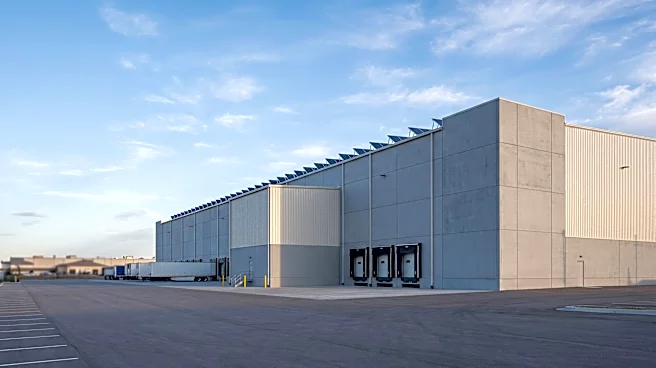
Lineage, the world's largest cold storage company, has completed the cleanup of 4 million pounds of food waste from its 480,000-square-foot cold storage warehouse in Boyle Heights, Los Angeles, following a fire two months prior. The fire, which began
on June 17 while contractors serviced a rooftop solar array, resulted in 85 million pounds of rotten meat being trapped inside the facility. Despite missing an initial August 20 deadline set by Mayor Karen Bass and a subsequent company deadline, workers have now removed the remaining food waste. The incident led to a smoke plume affecting the San Gabriel Valley and Inland Empire, triggering emergency declarations, a shelter-in-place order, and school relocations. State air quality regulators recorded nearly 4,000 odor complaints and ordered Lineage to take protective measures, imposing potential fines of up to $70,000 per violation. Over 300 residents have filed a lawsuit alleging ammonia exposure, smoke, and ash, with a separate suit from a cancer patient claiming negligence. Mayor Bass has called for accountability, stating that Lineage does not deserve to rebuild and has directed city attorneys to pursue a lien on the property and other legal options for cost recovery and penalties.
Why It's Important?
This incident highlights critical issues within the U.S. cold storage industry and its impact on urban communities. The fire at Lineage's Boyle Heights facility underscores the vulnerabilities of aging industrial infrastructure, particularly in densely populated areas. The extensive cleanup, environmental concerns, and legal actions taken by residents and city officials demonstrate the significant public health and economic consequences of such events. For the cold storage market, this fire could accelerate regulatory changes, especially in California, where local governments are already seeking to restrict industrial development near residential areas due to concerns about truck traffic and pollution. Industry experts warn that the fallout could affect the availability of fresh food on grocery store shelves, as cold storage facilities are vital to the supply chain. The incident also brings into question the safety track record of large cold storage operators, with Lineage having accumulated federal penalties and citations for environmental and safety violations in the past.
What's Next?
The immediate aftermath will involve ongoing legal proceedings, with Lineage facing a mountain of pending litigation from displaced families and city attorneys. Mayor Karen Bass's directive to place a lien on the property and pursue all legal options indicates a strong stance from local government, potentially leading to significant financial repercussions for the company. On the legislative front, Assembly Bill 817, sponsored by Mayor Bass and Assemblymember Mark Gonzalez, is gaining momentum. This proposed legislation would mandate closer review for cold storage developers before building permits are issued and require them to establish a 'contingency fund' for communities affected by industrial accidents. The Global Cold Chain Alliance and various agriculture and food producer groups oppose the bill, arguing it could discourage investment and impact California's food supply chain capacity. The debate over this bill will shape future industrial development and safety regulations in California, potentially influencing similar policies nationwide.
Beyond the Headlines
The Lineage fire in Boyle Heights exposes deeper societal and economic tensions surrounding industrial development in urban environments. The incident has ignited a broader conversation about environmental justice, as communities near such facilities often bear the brunt of pollution and safety risks. The push for legislation like Assembly Bill 817 reflects a growing demand for corporate accountability and community protection, challenging the traditional balance between industrial growth and public welfare. This event also highlights the critical, yet often overlooked, role of cold storage in the modern food supply chain. The disruption caused by the fire underscores how essential these facilities are for food security and how their failure can have far-reaching consequences beyond immediate environmental damage. The long-term implications could include a re-evaluation of zoning laws, stricter safety protocols for industrial facilities, and increased public scrutiny of companies operating in sensitive urban areas, potentially leading to a more integrated approach to urban planning that prioritizes both economic activity and community well-being.