






What's Happening?
Governor Greg Gianforte has appointed Kirk Bushman, a former member of the Montana Public Service Commission (PSC), to temporarily fill the vacancy left by Commissioner Brad Molnar's suspension. Bushman, a mechanical engineer from Billings, will represent
Commission District 2 in south-central Montana. Governor Gianforte cited Bushman's extensive engineering experience and understanding of the PSC's regulatory work as key qualifications for the role, emphasizing his ability to ensure reliable and affordable utility services for Montanans. Commissioner Molnar was suspended for one year following an investigation into his workplace conduct, which alleged repeated unwelcome sex-based remarks, unprofessional behavior towards staff, and retaliation against those who complained or investigated. Bushman was among five candidates who applied for the temporary position. Molnar has filed a lawsuit challenging his suspension, and a state district judge has yet to issue a ruling on the matter. Molnar's attorney, Matthew Monforton, criticized the Governor's decision to appoint a replacement before the judge's ruling, stating that Gianforte acted as if the judge was optional.
Why It's Important?
This appointment is significant for Montana's regulatory landscape and its utility services. The Public Service Commission plays a crucial role in overseeing utility rates and services, directly impacting the cost and reliability of essential services for residents and businesses across the state. The temporary appointment of Kirk Bushman, who has prior experience on the PSC, suggests an effort to maintain continuity and stability in the commission's operations during a period of leadership uncertainty. The allegations against Commissioner Molnar and his subsequent suspension highlight concerns about workplace conduct and accountability within state regulatory bodies. Furthermore, Molnar's legal challenge to his suspension introduces a potential for judicial intervention in executive appointments and raises questions about the balance of power between branches of government in Montana. The outcome of this situation could set precedents for how future misconduct allegations are handled and how temporary vacancies in elected positions are managed, influencing public trust and the effectiveness of state governance.
What's Next?
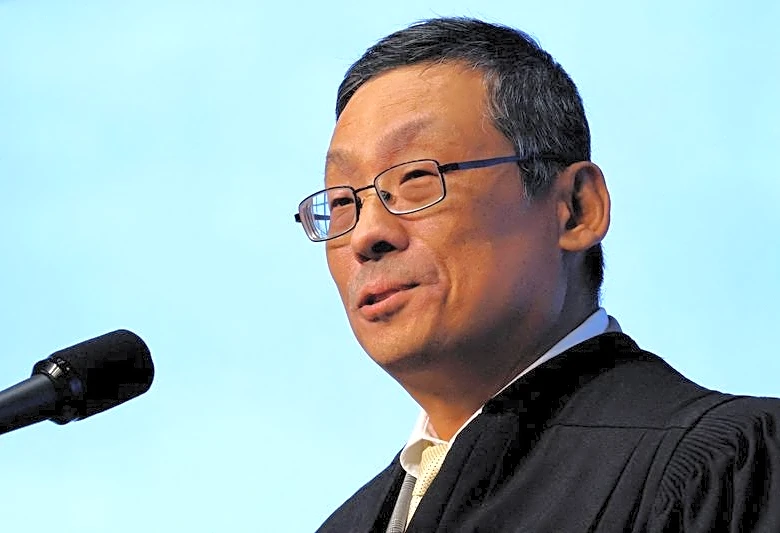
The immediate next step involves the ongoing legal challenge by Commissioner Brad Molnar against his suspension. State District Judge Mike Menahan has not yet issued a ruling in Molnar's lawsuit, which seeks to block his suspension before a replacement could be named. The court's decision will be critical, as it could either uphold Governor Gianforte's appointment of Kirk Bushman or potentially reinstate Molnar, creating further instability within the PSC. Regardless of the court's decision, Bushman's temporary tenure will likely focus on addressing the immediate regulatory needs of Commission District 2. The broader implications of this situation, particularly regarding the process for handling misconduct allegations against elected officials and the mechanisms for temporary appointments, will likely be subjects of continued public and political discussion in Montana. The 2027 legislative session may also see discussions or proposed legislation related to PSC reform, potentially influenced by these recent events.
Beyond the Headlines
The situation surrounding Commissioner Molnar's suspension and the subsequent appointment of Kirk Bushman delves into deeper issues of governance, accountability, and the integrity of public service. The allegations of workplace misconduct against an elected official underscore the importance of ethical conduct and professional standards within government bodies. The legal battle over Molnar's suspension highlights the complexities of removing elected officials from office and the checks and balances inherent in the U.S. legal system. Beyond the immediate personnel changes, this event could fuel broader discussions about the structure and oversight of the Montana Public Service Commission itself. There have been ongoing debates, as noted by Governor Gianforte's energy task force, about whether PSC commissioners should be elected or appointed, with arguments for both sides focusing on accountability, expertise, and political influence. This incident may intensify calls for PSC reform, potentially leading to legislative efforts to alter the commission's composition or enhance accountability measures for its members, thereby shaping the future of utility regulation in Montana.