







What's Happening?
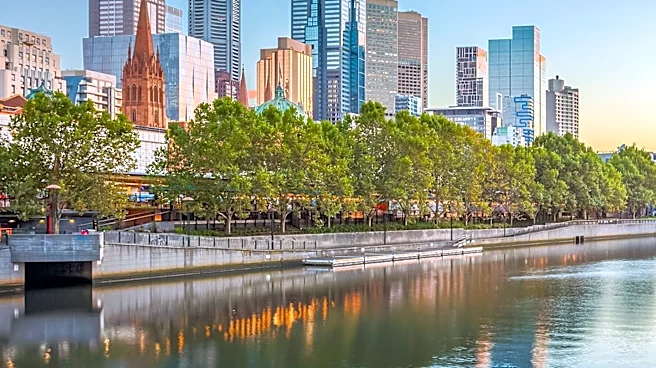
Melbourne, Australia, has been ranked as the third most livable city in the world for 2026, according to the Economist Intelligence Unit (EIU). This marks an improvement from its previous position, reflecting the city's high scores in stability, infrastructure,
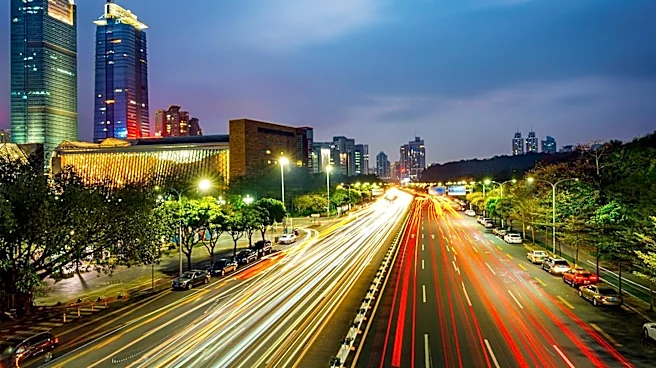
and public services. The EIU's annual list evaluates 173 cities globally based on factors such as education, healthcare, and culture. Copenhagen, Denmark, retained the top spot, followed by Vienna, Austria. The report highlights Melbourne's vibrant culture and diverse neighborhoods as key contributors to its high ranking. Other Australian cities, such as Sydney and Adelaide, also performed well, with Sydney moving up to fourth place. The rankings indicate a global trend of improving livability scores in Asian cities, driven by enhanced healthcare services.
Why It's Important?
The ranking of Melbourne as the third most livable city underscores the city's commitment to maintaining high standards in public services and cultural offerings. This recognition can boost Melbourne's international reputation, potentially attracting more tourists and investors. The improvement in livability scores for Asian cities, as noted in the report, suggests a shift in global urban development priorities, with increased focus on healthcare and infrastructure. For U.S. cities, the report highlights New York's rise in the rankings due to decreased crime rates, reflecting positive changes in urban safety and stability. These rankings can influence city planning and policy decisions, as municipalities strive to improve their standings and attract global attention.
What's Next?
Cities around the world may use these rankings to assess and improve their livability factors, focusing on areas such as public safety, healthcare, and cultural amenities. For Melbourne, maintaining its high ranking will require continued investment in infrastructure and public services. Other cities, particularly in Asia, may continue to enhance their healthcare systems and urban environments to climb higher in future rankings. The EIU's report could also prompt discussions among policymakers and urban planners about sustainable urban development and the importance of balancing economic growth with quality of life improvements.