


What's Happening?
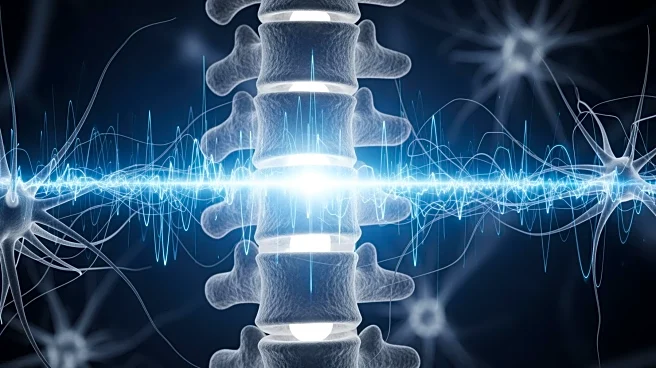
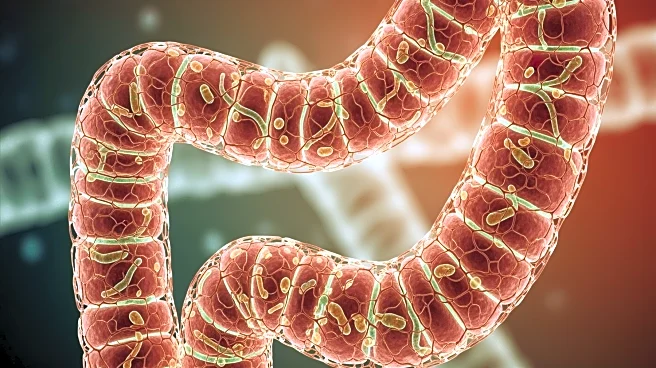
A study published in Nature by the Arc Institute has uncovered a link between the gut microbiome and age-associated memory loss. The research found that medium-chain fatty acids produced by aging gut bacteria can disrupt signaling along the vagus nerve
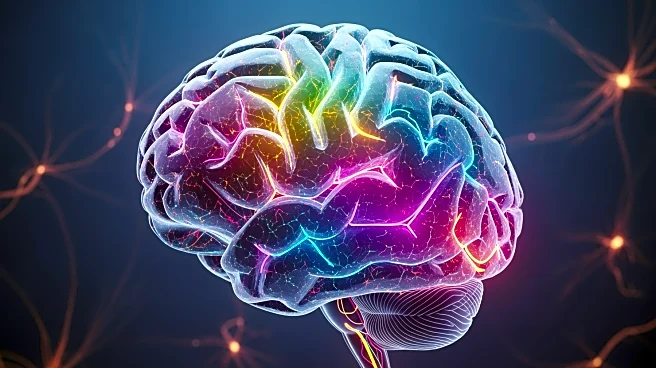
to the hippocampus, driving cognitive decline. Experiments showed that altering the gut microbiome in mice could reverse memory loss, suggesting that gut health plays a crucial role in cognitive functions. The study also explored potential interventions, such as vagus nerve stimulation, to restore cognitive function in aging populations.
Why It's Important?
This research highlights the gut-brain connection and its impact on cognitive health, offering new avenues for treating age-related memory loss. By understanding how gut bacteria influence brain function, scientists can develop targeted therapies to prevent or reverse cognitive decline. This could lead to innovative treatments for conditions like dementia, improving the lives of older adults. The findings also emphasize the importance of maintaining gut health as part of a holistic approach to aging, potentially influencing dietary and lifestyle recommendations.