





What's Happening?
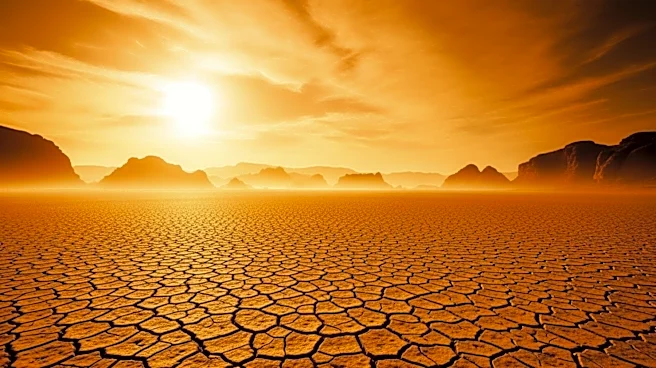
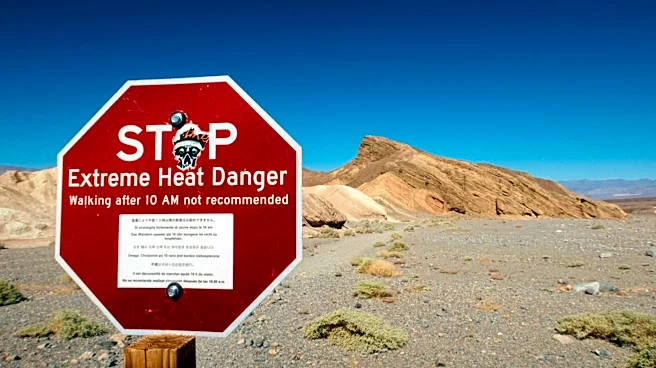
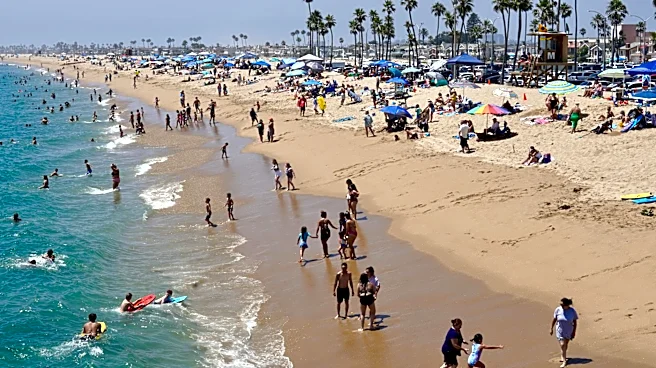
The western parts of the United States and Mexico are preparing for an intense heatwave as a ridge of high pressure is expected to push temperatures significantly above the seasonal average. The US National Weather Service has issued heat advisories for regions
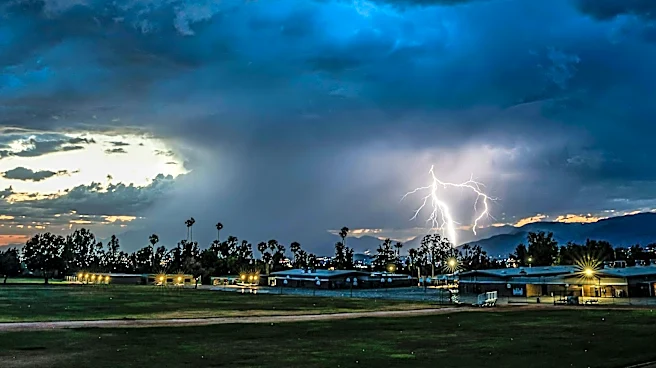
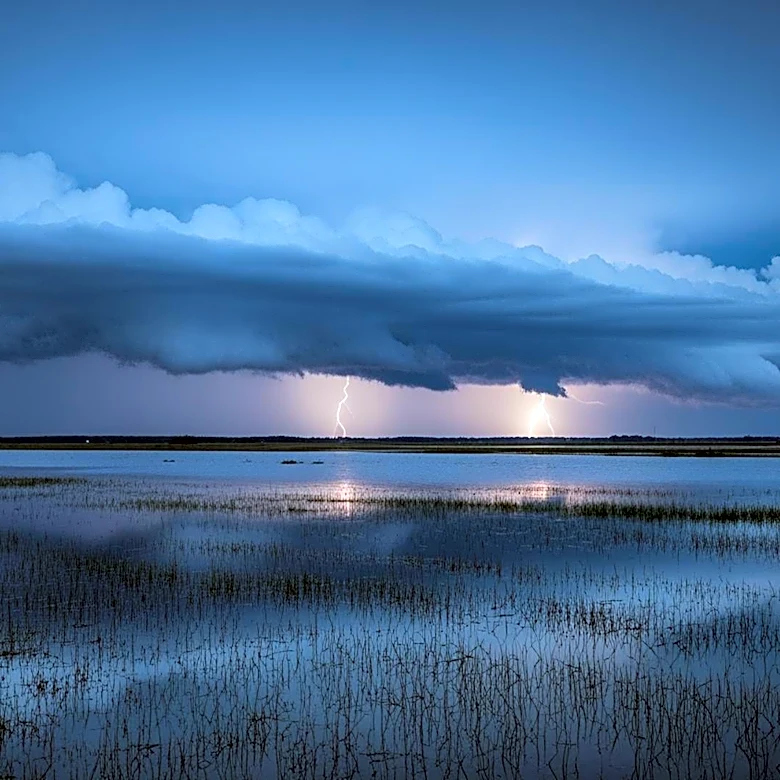
in California and Arizona, with extreme heat warnings in effect for areas like Palm Springs, where temperatures could soar to 104-110°F. This heatwave is anticipated to move eastward towards the Midwest later in the week. Concurrently, South Africa is experiencing severe weather, with heavy rains and strong winds causing significant flooding and infrastructure damage in the Western and Eastern Cape regions. The South African Weather Service has issued warnings for flash flooding, mudslides, and rockfalls, with some areas receiving over 300mm of rain, leading to evacuations and power outages.
Why It's Important?
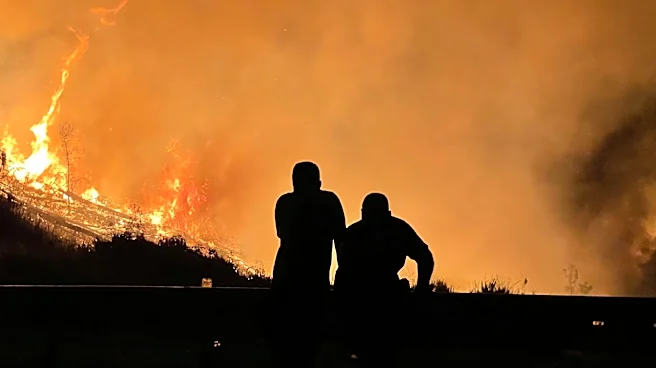
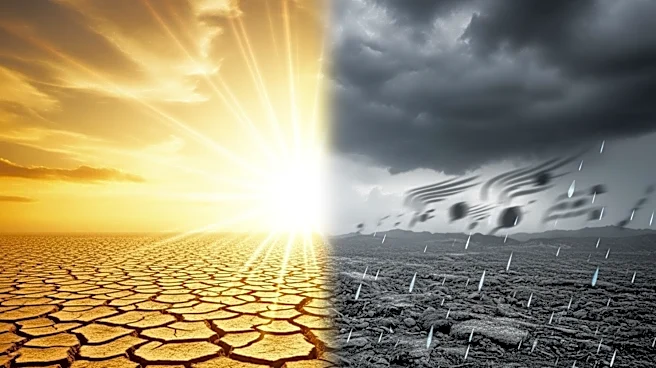
The heatwave in the US and Mexico poses significant health risks, particularly for vulnerable populations such as the elderly and those without access to air conditioning. It also increases the risk of wildfires in already dry regions. In South Africa, the severe weather has disrupted daily life and caused significant damage to infrastructure, highlighting the challenges of climate resilience in vulnerable regions. The contrasting weather patterns underscore the global impacts of climate change, with extreme weather events becoming more frequent and severe. These events have economic implications, affecting agriculture, energy consumption, and emergency response resources.
What's Next?
In the US, the heatwave is expected to shift towards the Midwest, potentially affecting more states and increasing the demand for energy as people rely on air conditioning. Authorities may issue additional advisories and warnings to mitigate health risks. In South Africa, continued rainfall and strong winds are expected, which could exacerbate flooding and damage. Emergency services will likely remain on high alert, and further evacuations may be necessary. The situation calls for increased international cooperation and investment in climate adaptation strategies to better prepare for such extreme weather events.