



What's Happening?
Mayor John Carney of Wilmington has announced the distribution of over $8 million in housing subsidies to 16 developers across the city. This funding is part of a larger $13 million package aimed at addressing affordable housing in Wilmington. The $8.4
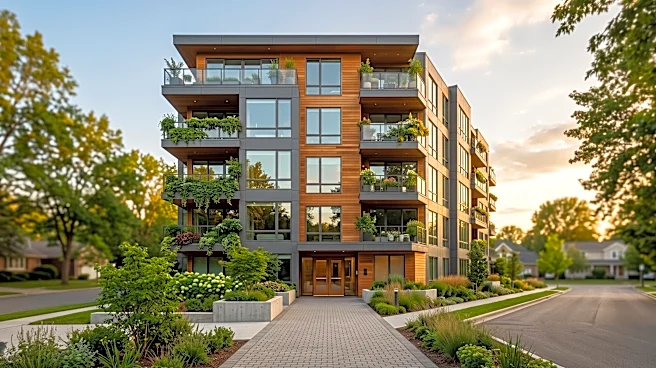
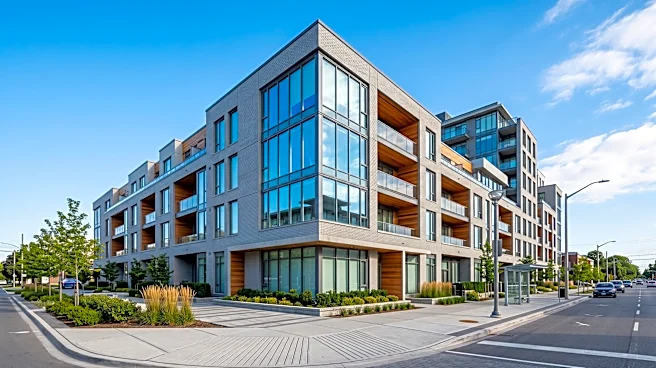
million allocation, initially signed off in May, will support projects expected to create 361 affordable homes in various neighborhoods, including Hilltop, Quaker Hill, Riverside, Browntown, Brandywine Village, and Wawaset. City officials stated that these funds are crucial for closing financing gaps in ongoing projects, ensuring lower rents or sale prices for future residents. The city requires developers to maintain affordability for at least 10 years for residents earning up to 80% of the area median income, which is $98,150 for a family of four under HUD standards. This initiative follows a period of debate with the Wilmington City Council regarding the best approach to tackle the city's housing crisis.
Why It's Important?
This significant investment by the City of Wilmington is crucial for alleviating the affordable housing crisis impacting many residents. By providing subsidies to developers, the city aims to stimulate the construction of much-needed affordable units, making housing accessible to a broader segment of the population. The requirement for long-term affordability ensures that the benefits of these projects will extend for at least a decade, providing stability for families. This initiative also demonstrates a collaborative effort between the mayor's administration and the city council, despite previous disagreements, to address a critical social and economic issue. The city's $8.4 million investment is projected to leverage over $160 million from other sources, indicating a substantial overall impact on the local housing market and economy. This approach could serve as a model for other U.S. cities facing similar housing challenges.
What's Next?
Mayor Carney has indicated a commitment to securing another round of funding, proposing an additional $8.4 million for affordable housing subsidies in next year's budget. City Councilwoman Maria Cabrera has voiced strong support for this continuation, signaling potential legislative backing for future allocations. The current awards are conditional, with the mayor's office now working on development agreements that will establish project deadlines and include clawback provisions for missed targets. Developers who received funding, such as Nasir Muhammad of Nas Homes LLC and the Todmorden Foundation, are moving forward with their projects, with some expecting completion by late 2027 or construction starting in March. The city will monitor these projects to ensure they meet affordability requirements and deadlines, with the goal of bringing hundreds of new affordable homes to Wilmington residents.
Beyond the Headlines
The city's strategy of acting as the 'last funder in the door' highlights a critical aspect of affordable housing development: bridging the financial gap that often makes such projects unfeasible for developers. This approach acknowledges that market forces alone may not adequately address the need for affordable housing, necessitating public sector intervention. The emphasis on long-term affordability (10 years) reflects a commitment to sustainable solutions rather than short-term fixes, aiming to create lasting community benefits. Furthermore, the inclusion of projects designed to support neurodivergent individuals, as mentioned by Rich Przywara of the Todmorden Foundation, points to a growing awareness of diverse housing needs within the affordable housing sector. This initiative could foster broader discussions on inclusive housing policies and the role of municipal governments in ensuring equitable access to housing.