

What's Happening?
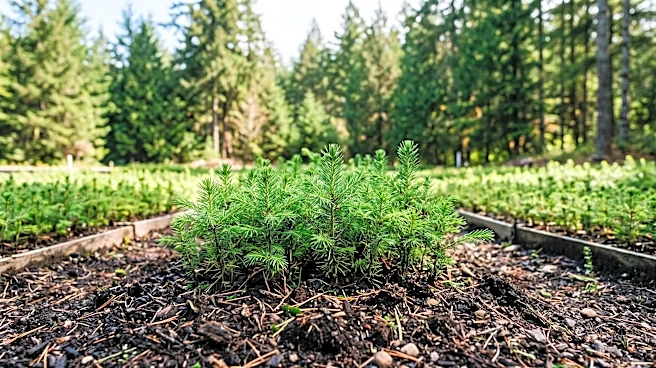
American Forests is actively advocating for bipartisan forest, wildfire, and urban forestry priorities as Congress returns to Washington for a consequential lame duck session in 2026. The organization is focusing on several key areas, including growing
the seeds and inspiring the next generation of forest stewards in Oregon, assisting Washington family forest landowners in restoring their landscapes after devastating wildfires, and collaborating with communities to reimagine New York City's urban forest. Additionally, Boynton Beach, Florida, in partnership with American Forests, has developed its first urban heat resilience strategy, utilizing trees to combat extreme heat. The Fall 2026 issue of American Forests magazine highlights these efforts, showcasing the power of people and partnerships in shaping a greener future across various U.S. regions.
Why It's Important?
The advocacy by American Forests during the 2026 lame duck session is crucial for advancing critical environmental policies and securing funding for forest conservation and restoration efforts across the United States. Bipartisan support for these initiatives can lead to more resilient landscapes, reduced wildfire risks, and improved urban environments. The focus on urban forestry, as exemplified by Boynton Beach's heat resilience strategy, addresses the growing challenge of extreme heat in cities, which disproportionately affects vulnerable populations. Furthermore, supporting family forest landowners in wildfire-prone areas is vital for economic stability and ecological recovery in affected regions. The long-term commitment of donors, like Ron Miller and Jacqueline Fischer, underscores the sustained need for resources to protect and strengthen forests for future generations.
What's Next?
The immediate next step involves American Forests' continued engagement with Congress during the 2026 lame duck session to champion its forest, wildfire, and urban forestry priorities. The outcome of this session will likely determine the legislative and budgetary support for these initiatives in the coming years. Communities and landowners in areas like Oregon, Washington, and New York City can anticipate potential new programs or increased resources for forest stewardship, wildfire recovery, and urban greening projects. The success of the urban heat resilience strategy in Boynton Beach could also serve as a model for other U.S. cities facing similar climate challenges, potentially leading to wider adoption of tree-based solutions for urban cooling.
Beyond the Headlines
Beyond the immediate legislative efforts, American Forests' work highlights a broader shift towards recognizing the multifaceted benefits of forests, not just for timber or recreation, but also for climate resilience, public health, and social equity. The emphasis on 'Tree Equity Score' suggests a move towards data-driven approaches to ensure that the benefits of urban forests are distributed fairly across communities, addressing historical disparities in access to green spaces. This approach underscores the ethical dimension of environmental conservation, linking it directly to social justice. The organization's focus on inspiring the next generation of forest stewards also points to the long-term cultural and educational implications of fostering a deeper connection between people and nature, essential for sustained conservation efforts.