



What's Happening?
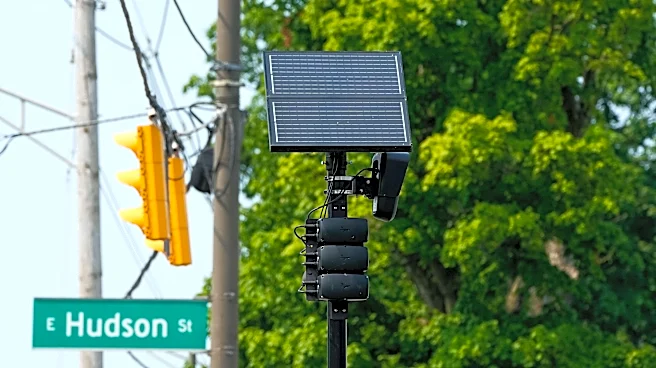
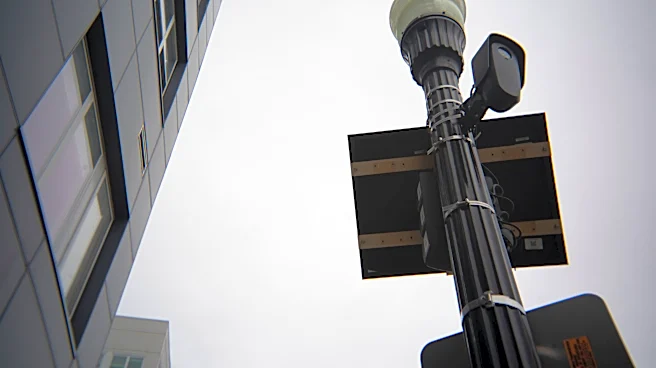
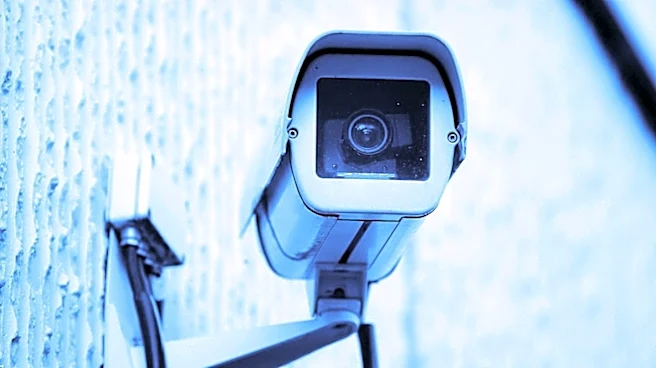
West Virginia lawmakers are evaluating the use of Flock Safety cameras and automated license plate readers amid concerns about data privacy and security. During interim meetings, presentations were made by Flock Safety and the Institute for Justice, focusing
on data storage, access, and sharing. The Institute for Justice advocates for statewide regulations to govern the use of this technology, emphasizing the need for warrants for certain searches and limits on data sharing. Flock Safety argues that local customers control their data, but lawmakers remain concerned about potential misuse and the adequacy of existing safeguards.
Why It's Important?
The debate over Flock camera systems highlights the tension between leveraging technology for law enforcement and protecting individual privacy rights. Automated license plate readers can aid in crime prevention and investigation, but they also raise significant privacy concerns. The outcome of this legislative discussion could set precedents for how surveillance technology is regulated, balancing public safety with constitutional rights. The implications extend to other states considering similar technologies, influencing national conversations on privacy and surveillance.
What's Next?
Lawmakers are expected to continue discussions and potentially draft legislation to regulate the use of Flock camera systems in West Virginia. This may include setting data retention limits, requiring warrants for certain data searches, and establishing oversight mechanisms. The legislative process will likely involve input from various stakeholders, including law enforcement, privacy advocates, and technology providers. The outcome could influence future policy decisions and shape the regulatory landscape for surveillance technologies in the state.