



What's Happening?
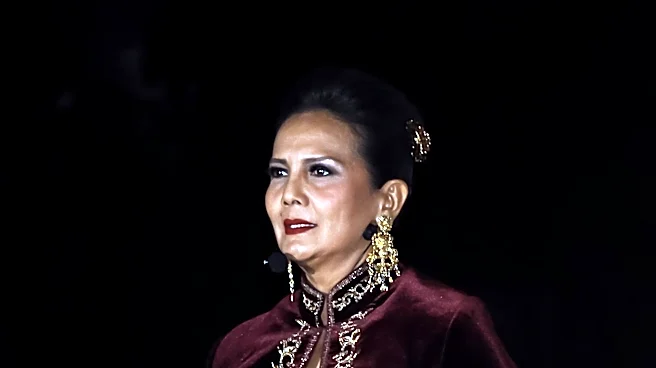
Sara Shamma, a prominent Syrian artist, is spearheading Syria's return to the Venice Biennale in 2026 with a unique national pavilion focused on her work. This marks a significant cultural shift as Syria emerges from a prolonged period of conflict. Shamma's
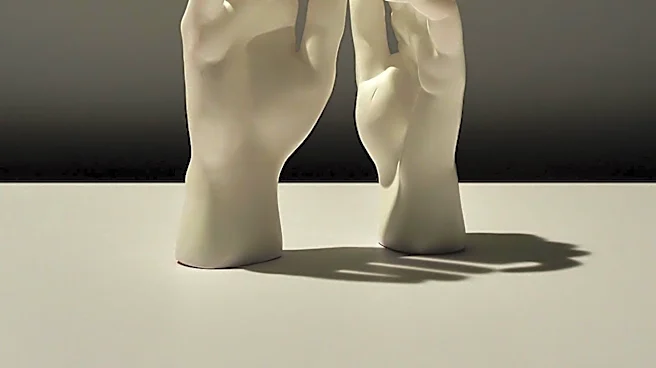
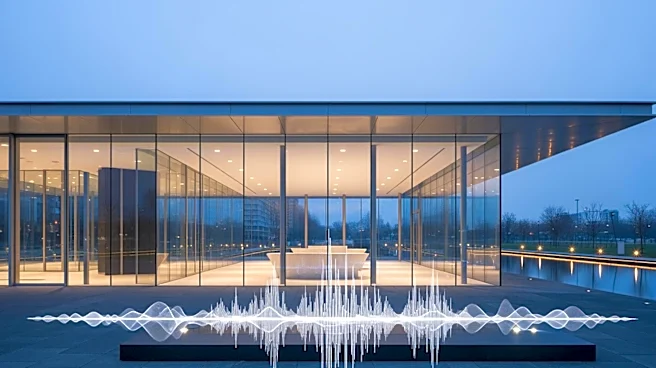
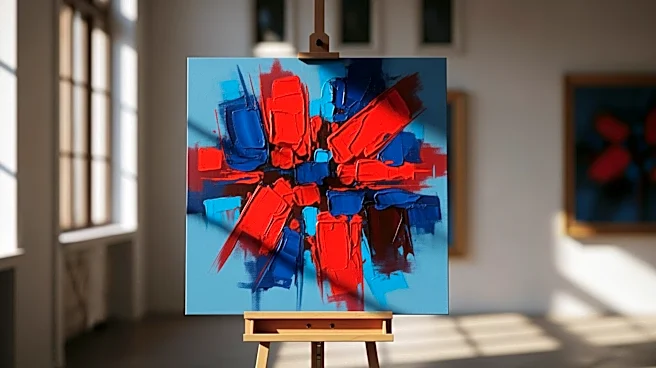
installation, 'The Tower Tomb of Palmyra,' is an immersive experience that combines painting, architecture, light, sound, and scent. It draws inspiration from the ancient funerary towers of Palmyra, which were destroyed by Islamic State in 2015. The project, curated by Yuko Hasegawa and commissioned by Syria's Ministry of Culture, aims to address cultural loss and the potential for reconstruction. Shamma's work is known for its psychological depth, focusing on human gestures and expressions, and she hopes to evoke a transformative experience for viewers.
Why It's Important?
This event is significant as it symbolizes Syria's cultural and national rebirth following years of war and destruction. By participating in the Venice Biennale, Syria is reasserting its presence on the global cultural stage, showcasing resilience and the potential for renewal. Shamma's work not only commemorates the past but also looks forward to rebuilding and redefining Syrian identity. This initiative could inspire other post-conflict nations to leverage art and culture as tools for healing and reconstruction. It also highlights the role of artists in shaping national narratives and fostering international dialogue.
What's Next?
The success of Shamma's pavilion at the Venice Biennale could lead to further international collaborations and exhibitions, enhancing Syria's cultural diplomacy. It may also encourage the Syrian government and private sectors to invest more in cultural projects, recognizing their value in national recovery. The pavilion's impact on visitors could spark broader discussions about cultural heritage preservation and the role of art in post-conflict societies. Additionally, Shamma's approach might influence other artists to explore similar themes of loss and renewal in their work.
Beyond the Headlines
The pavilion's focus on the funerary towers of Palmyra underscores the broader issue of cultural heritage destruction during conflicts. It raises questions about the international community's responsibility to protect and restore cultural sites. Shamma's work also touches on the ethical dimensions of art as a medium for social change, challenging viewers to reconsider their perceptions of Syria. The project could lead to long-term shifts in how art is used to address historical trauma and foster reconciliation.