







What's Happening?
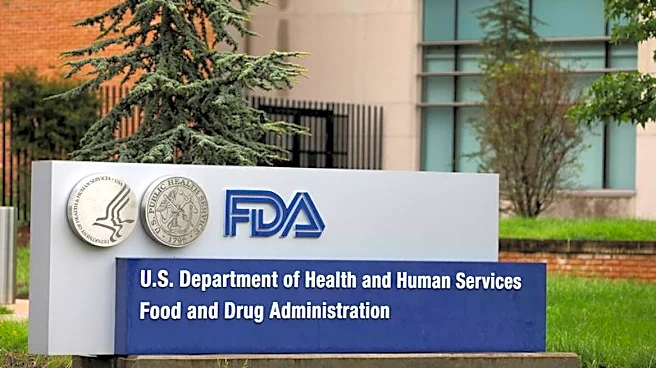
The FDA is considering lifting a ban and widening access to seven popular peptides, which have gained popularity among wellness influencers. An advisory committee is meeting to discuss the potential benefits and risks of these peptides, which are currently
unapproved for safety and efficacy. The discussion includes input from Health Secretary Robert F. Kennedy Jr., who has publicly supported peptide use. The peptides in question have been promoted for various health benefits, but lack rigorous clinical studies to support these claims. The FDA's decision could impact the regulation and availability of these compounds.
Why It's Important?
The FDA's consideration of expanding access to peptides highlights the growing influence of wellness trends on public health policy. The decision could set a precedent for how unapproved compounds are regulated and accessed. The lack of clinical evidence raises concerns about the safety and efficacy of these peptides, and the potential for misuse in the wellness industry. The outcome of the FDA's decision could impact consumer safety and the credibility of health regulations. It also underscores the need for evidence-based approaches to health and wellness.
What's Next?
The FDA's advisory committee will continue to evaluate the available evidence and stakeholder input before making a recommendation. The decision could lead to changes in the regulation of peptides and influence future policy on similar compounds. The wellness industry may respond with increased advocacy for peptide access, while health professionals may call for more research and caution. The outcome could also prompt discussions on the role of influencers in shaping health trends and the importance of scientific validation.
Beyond the Headlines
The debate over peptide access reflects broader issues of consumer protection and the regulation of health products. The influence of wellness trends on public health policy raises questions about the balance between innovation and safety. The situation highlights the challenges of regulating emerging health products in a rapidly evolving market. It also underscores the importance of maintaining rigorous standards for safety and efficacy in the face of popular demand.