

What's Happening?
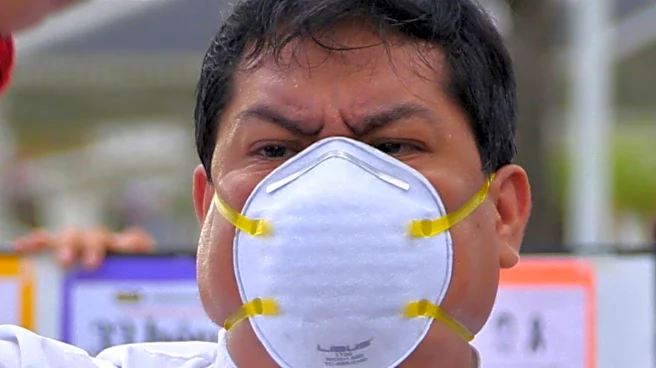
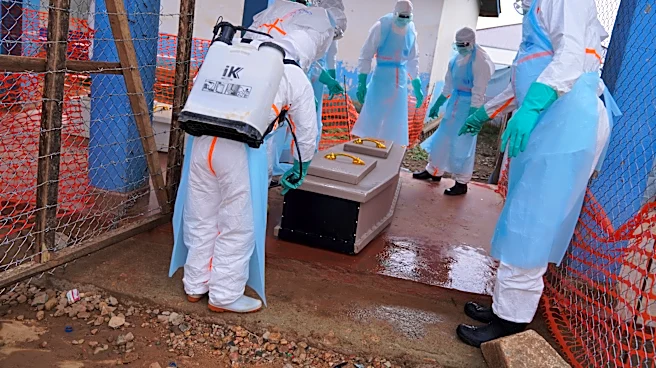
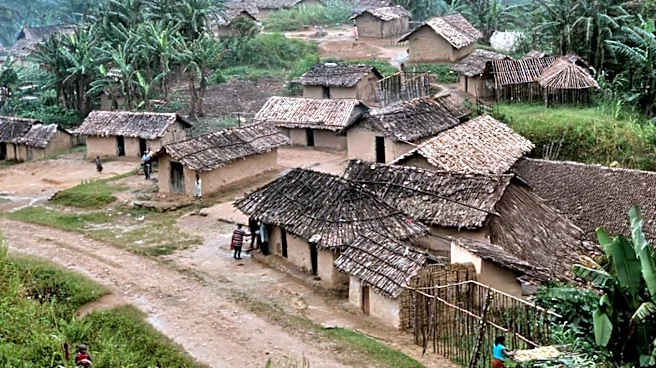
In Congo, Wiza Bondele, a health worker, is part of the team combating the fastest-growing Ebola outbreak in history, yet he and many others are working without pay. The outbreak, centered in the eastern Ituri province, has seen over 4,000 confirmed cases
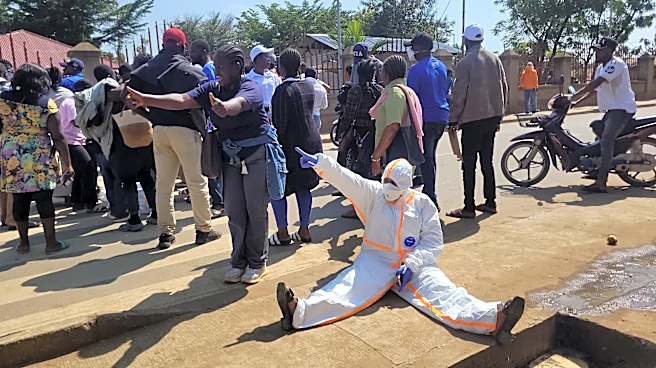
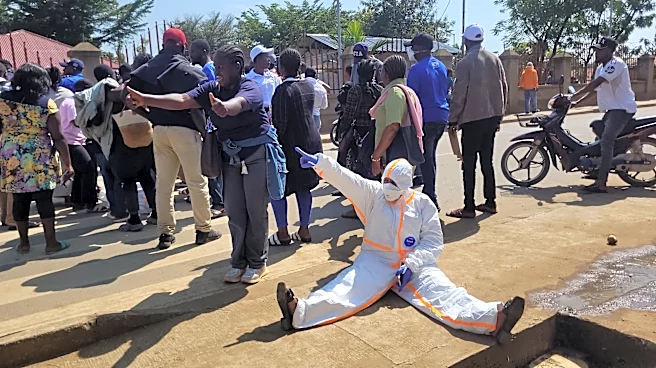
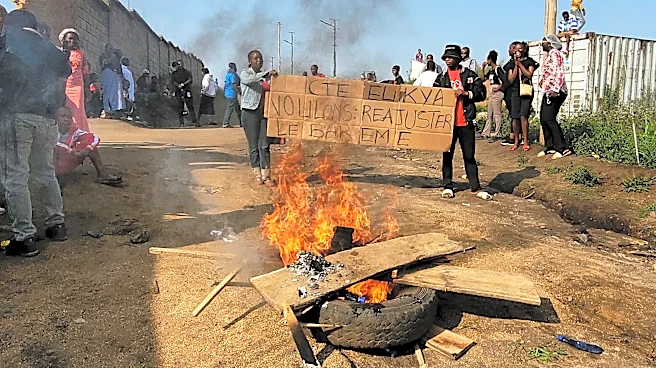
and more than 1,800 deaths. Despite the risks, Bondele continues to disinfect contaminated areas and enforce health protocols. The lack of payment has led to strikes and protests among health workers, disrupting critical care and complicating efforts to control the outbreak. The government has cited logistical issues for the payment delays, but workers remain unpaid, affecting their morale and ability to support their families.
Why It's Important?
The situation in Congo highlights the challenges faced by health workers on the front lines of epidemic responses, particularly in conflict-hit regions. The lack of financial support for these workers not only undermines their morale but also jeopardizes the effectiveness of the outbreak response. The unpaid wages issue reflects broader systemic problems in managing health crises, including resource allocation and governance. The ongoing Ebola outbreak poses a significant public health threat, and the inability to adequately support health workers could lead to further spread of the virus, with global implications.
What's Next?
Efforts to resolve the payment issues are ongoing, with the government working to verify the list of workers and ensure payments reach the right individuals. However, the situation remains precarious, and continued delays could lead to further disruptions in the outbreak response. International support and intervention may be necessary to address the financial and logistical challenges, ensuring that health workers receive the support they need to continue their critical work.