
What's Happening?
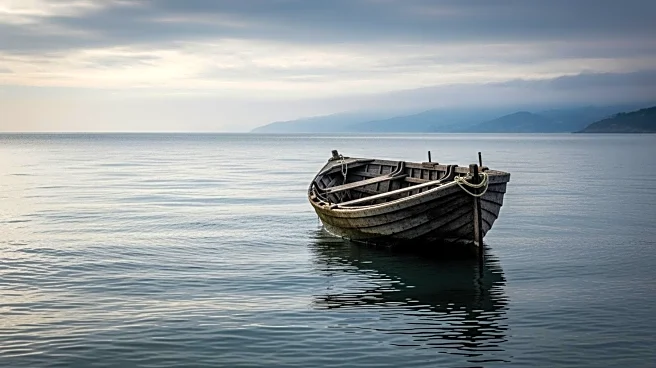
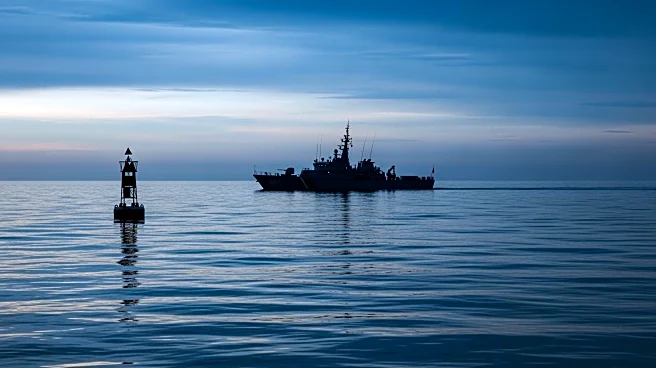
Italy's cabinet has approved a bill authorizing naval blockades to prevent migrant boats from entering its territorial waters during periods of 'exceptional pressure.' This move is part of a broader strategy
by Prime Minister Giorgia Meloni's right-wing government to tighten immigration controls. The legislation allows for boats to be banned for up to six months in cases of serious threats to public order or national security. Violators could face fines and have their boats confiscated. The bill follows recent changes to EU asylum rules, which allow member countries to reject asylum applications if the applicant could have received protection in a safe country.
Why It's Important?
The decision reflects ongoing tensions in Europe over migration policies and the balance between humanitarian obligations and national security. Italy's stance may influence other EU countries facing similar pressures, potentially leading to stricter immigration controls across the continent. The move could also impact humanitarian organizations operating rescue missions in the Mediterranean, as they may face increased legal and operational challenges. The policy highlights the complex dynamics of migration, security, and human rights in Europe.
What's Next?
The bill requires approval from both houses of the Italian parliament, which could lead to further political debate and public discourse. Humanitarian groups and opposition parties are likely to challenge the legislation, arguing it could endanger lives and violate international obligations. The EU may also face pressure to address the broader implications of such policies on regional stability and human rights. The situation could lead to increased diplomatic discussions within the EU on managing migration effectively.